
Areas served · Colorado
Forensic Engineering in Grand Junction
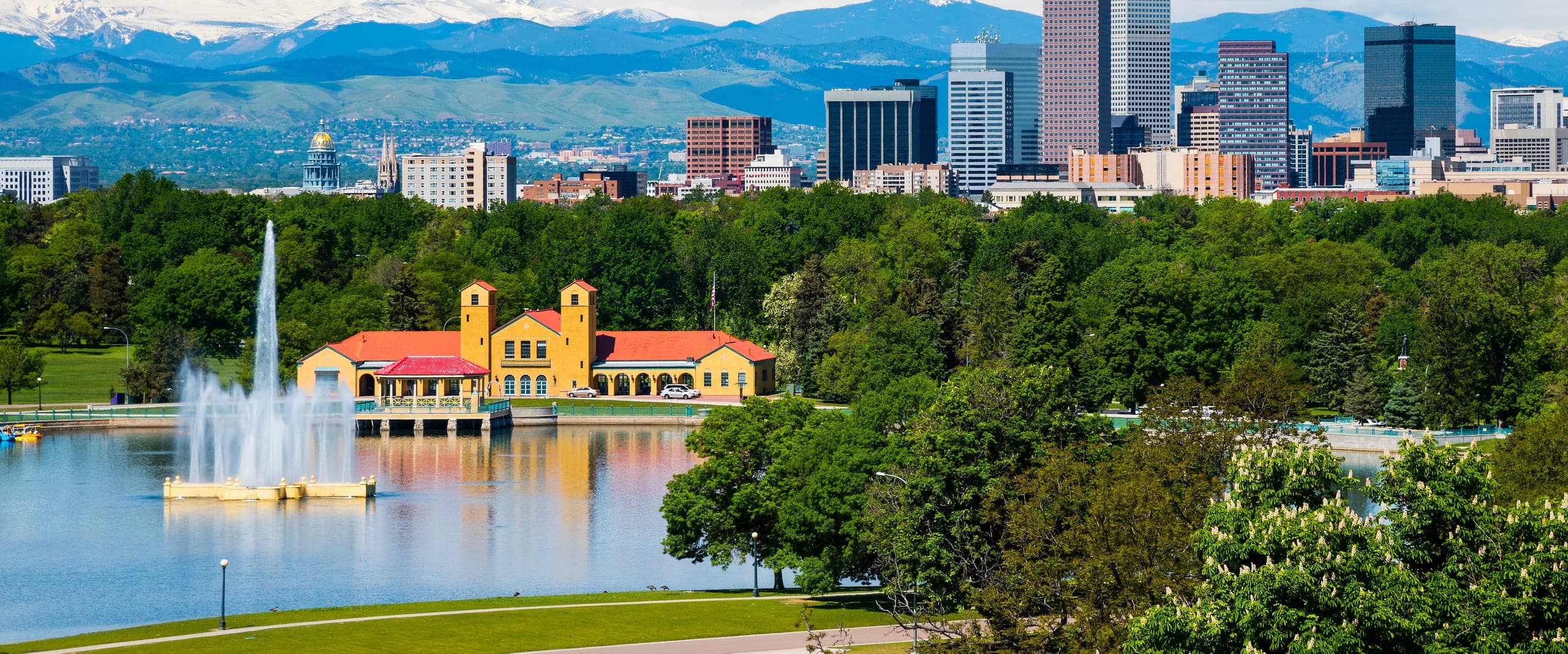
In and around Grand Junction
What we investigate in Grand Junction
Grand Junction is built on Mancos Shale, one of the most expansive soil and rock formations in the western United States, and the foundation heave it produces drives much of the structural damage we evaluate in the Grand Valley. We document what actually failed, and a licensed engineer responds within 24 hours with no travel charges.
The conditions we see in Grand Junction
The Grand Valley floor is Mancos Shale, a Late Cretaceous marine formation that weathers into highly plastic smectitic clay across Mesa County. The Colorado Geological Survey rates it among the most expansive soil and rock in the western United States: when the clay takes on moisture it swells with force enough to crack slabs, lift footings, and separate walls, and when it dries it shrinks and pulls away. Local building and grading guidance treats downspout extensions and drainage control as structural measures, not landscaping, because keeping water off the shale is what limits the movement.
What moves the clay is the climate. Grand Junction has a cold semi-arid high-desert climate, roughly 9.4 inches of precipitation a year, over 300 sunny days, low humidity, and hard winter freezes. Long dry spells shrink the shale and wetting events swell it, and that drought-to-wet swing is the core structural driver here. Above the clay sit roughly 31,000 housing units with a median build year near 1988, about 64 percent of them detached single-family homes. Newer subdivisions run to slab-on-grade and crawl-space construction set directly on the Mancos clay, where drainage and foundation design govern whether heave shows up as damage.
How we help in Grand Junction
The evaluations Grand Junction cases usually call for
- Foundation and expansive-soil evaluation
When a slab cracks or a wall separates in the Grand Valley, the first question is whether the Mancos clay is heaving under it and whether drainage let water reach the shale. Our licensed engineers evaluate the structure and the soil behavior together and document whether the cause is heave, a drainage failure, or a construction defect.
Our structural engineering services- Drainage and water loss investigation
Because heave here follows water reaching the clay, we investigate how water moved on a site: roof drainage, grading, plumbing leaks, and the spring rise of the Colorado and Gunnison rivers at their confluence. We determine whether the damage traces to that water, to a pre-existing condition, or to a defect, grounded in the physical evidence.
Our forensic engineering services
Fire origin & cause
Fire origin and cause in Grand Junction
Wildfire is the fast-moving threat in the Grand Valley. The lightning-ignited Pine Gulch Fire burned 139,007 acres about 18 miles north of town in 2020 and stood briefly as the largest wildfire in Colorado history, and in June 2026 the Snyder Fire near Fruita burned roughly 30,000 acres and killed three federal firefighters. Fire runs through grass, sagebrush, and pinyon-juniper into a growing residential fringe, and when it reaches a structure the origin evidence can be gone in hours.
Our NAFI-certified investigators build every determination on NFPA 921. They work the scene systematically, read the burn and char patterns back to the area of origin, evaluate the electrical and mechanical systems, and rule out ignition sources until the physical evidence supports one conclusion, accidental or incendiary. We preserve that evidence before weather and cleanup erase it, then record the finding and testify to it at deposition and trial.
Fires we investigate
- Wildland-urban interface and brush fires
- Residential and commercial fires
- Heating-system and wood-stove fires
- Electrical and appliance fires
- Vehicle fires
Common questions
Forensic engineering in Grand Junction, Colorado
A different question about your case? An engineer, not a call center, answers within 24 hours.
Is foundation cracking in Grand Junction usually the Mancos clay?
Often, yes. The Mancos Shale under the Grand Valley is highly expansive and heaves hard when it takes on water, but drainage problems, plumbing leaks, and construction defects crack slabs and walls the same way. We evaluate the damage pattern and the soil before assigning a cause.
Can you tell wildfire damage from a pre-existing condition?
Yes. Wildfire in the valley's grass, sagebrush, and pinyon-juniper deposits embers and burns structures in patterns we can read, and separating that from an interior ignition or prior deterioration is a core part of an origin-and-cause investigation here.
Do you charge travel to reach Grand Junction?
No. We work Grand Junction-area cases from our Omaha lab and Los Angeles office with no travel charges, and a licensed engineer responds within 24 hours.
Have a loss that needs answers?
Tell us what happened. An engineer, not a call center, will review your case.