
Areas served · Wyoming
Forensic Engineering in Cheyenne
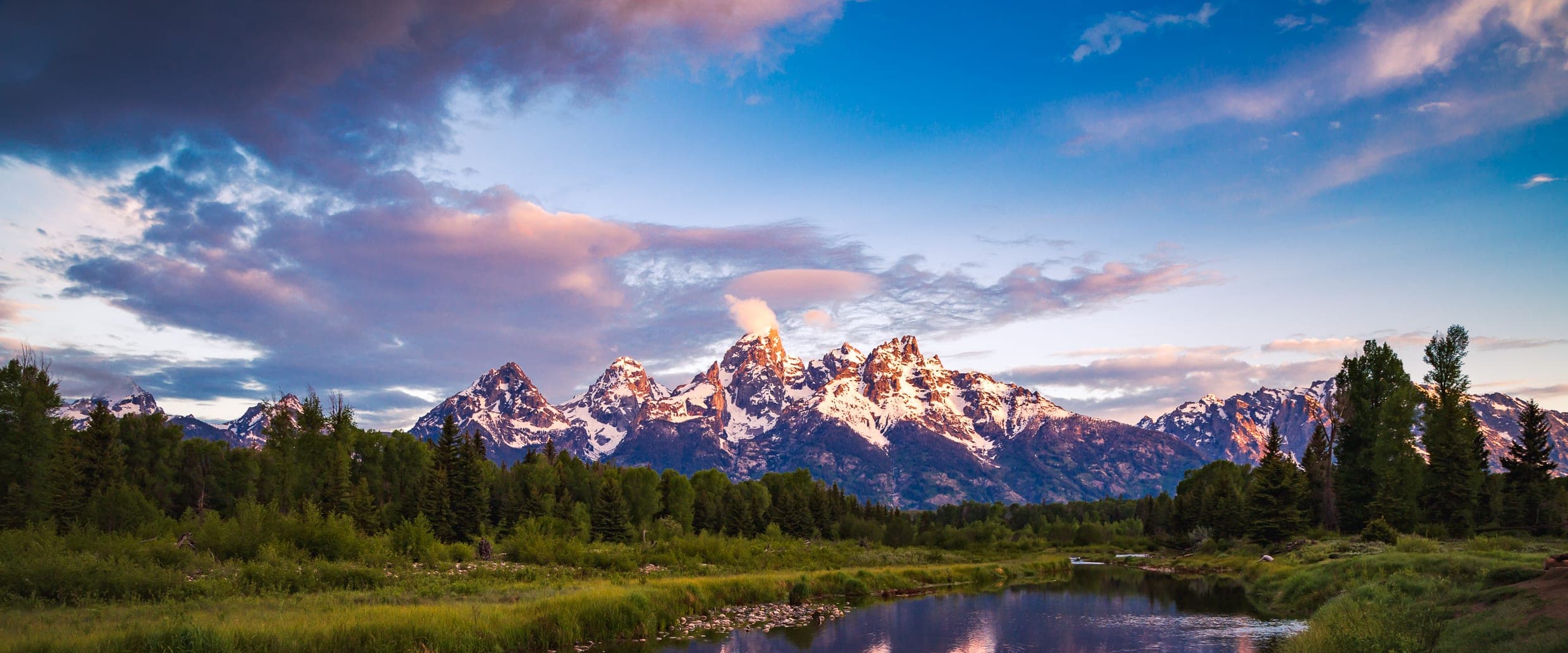
In and around Cheyenne
What we investigate in Cheyenne
Cheyenne sits high on the windswept plains, and the losses we evaluate here start with wind, hail, and the Cretaceous-shale clay under the slab. We document what actually failed, from a hail-battered roof to a heaved foundation, and a licensed engineer responds within 24 hours with no travel charges.
The conditions we see in Cheyenne
At roughly 6,000 feet, Cheyenne is one of the windiest cities in the country, averaging near 13 mph with frequent high-wind events as west and northwest flow accelerates off the Laramie Range. The plains also deliver severe hail and tornadoes: the July 1979 tornado that crossed north Cheyenne destroyed about 200 homes and remains Wyoming's costliest tornado, and the August 1985 storm dropped large hail that drifted deep across parts of the city. Wind uplift, hail bruising, and freeze loading test roofs, cladding, and framing every year.
Beneath the buildings, Laramie County's Late Cretaceous shales weather to expansive montmorillonite clays that the Wyoming State Geological Survey maps as shrink-swell hazards, and they crack and heave slabs, roads, and foundations where built without mitigation. The stock spans the range: roughly 12 percent of homes predate 1940, the Rainsford and Capitol North historic districts hold late-1800s masonry, and newer wood-frame subdivisions run out along the Dell Range corridor. Aging masonry, mid-century housing, and new framing all sit on the same reactive clay.
How we help in Cheyenne
The evaluations Cheyenne cases usually call for
- Foundation, wind, and hail damage evaluation
When a slab cracks or a roof fails in Cheyenne, the question is whether it is expansive-clay movement, high-wind uplift, hail impact, or a construction defect. Our licensed engineers evaluate the structure and the reactive shale clay together and document which force is responsible.
Our structural engineering services- Storm and component failure investigation
After a hail or high-wind event, we separate fresh storm damage from pre-existing wear and defect, and we investigate the roofing, cladding, and mechanical failures that surface afterward. On the plains that distinction usually decides the claim, so we ground it in the physical evidence.
Our forensic engineering services
Fire origin & cause
Fire origin and cause in Cheyenne
Cheyenne's relentless wind is the local fire multiplier. High winds push flame and embers through a structure fast, jump gaps between buildings, and turn a contained start into a spreading loss before crews can flank it. Add pre-1940 wiring in the older core near the Capitol, dry grassland pressing against the built-up edges of town, and heavy heating use through hard High Plains winters, and getting origin and cause right, quickly, is what protects the claim.
Our NAFI-certified investigators work to NFPA 921. They examine the scene systematically, trace burn and char patterns back to the area of origin, evaluate the electrical, heating, and mechanical systems, and eliminate causes until the evidence supports one conclusion, including whether the fire was accidental or incendiary. We preserve the evidence before it is lost, then document the finding and testify to it at deposition and trial.
Fires we investigate
- Residential and commercial fires
- Wind-driven fire spread
- Grassland and wildland-urban-interface fires
- Heating-system and electrical fires
- Vehicle fires
Common questions
Forensic engineering in Cheyenne, Wyoming
A different question about your case? An engineer, not a call center, answers within 24 hours.
Is foundation movement in Cheyenne from the clay soil?
Often. Laramie County's Cretaceous shales weather to expansive montmorillonite clay that heaves and cracks foundations, but drainage, frost, and construction defects produce similar damage. We evaluate the pattern and the soil behavior before assigning a cause.
Can you tell hail and high-wind damage from older roof wear?
Yes. Distinguishing fresh hail bruising and wind uplift from pre-existing deterioration is central to a Cheyenne storm claim, and it is usually the point the claim turns on. We base the conclusion on the physical evidence at the property.
Do you charge travel to reach Cheyenne?
No. We work Cheyenne-area cases from our Omaha lab and Los Angeles office with no travel charges, and a licensed engineer responds within 24 hours.
Have a loss that needs answers?
Tell us what happened. An engineer, not a call center, will review your case.