August 4, 2026
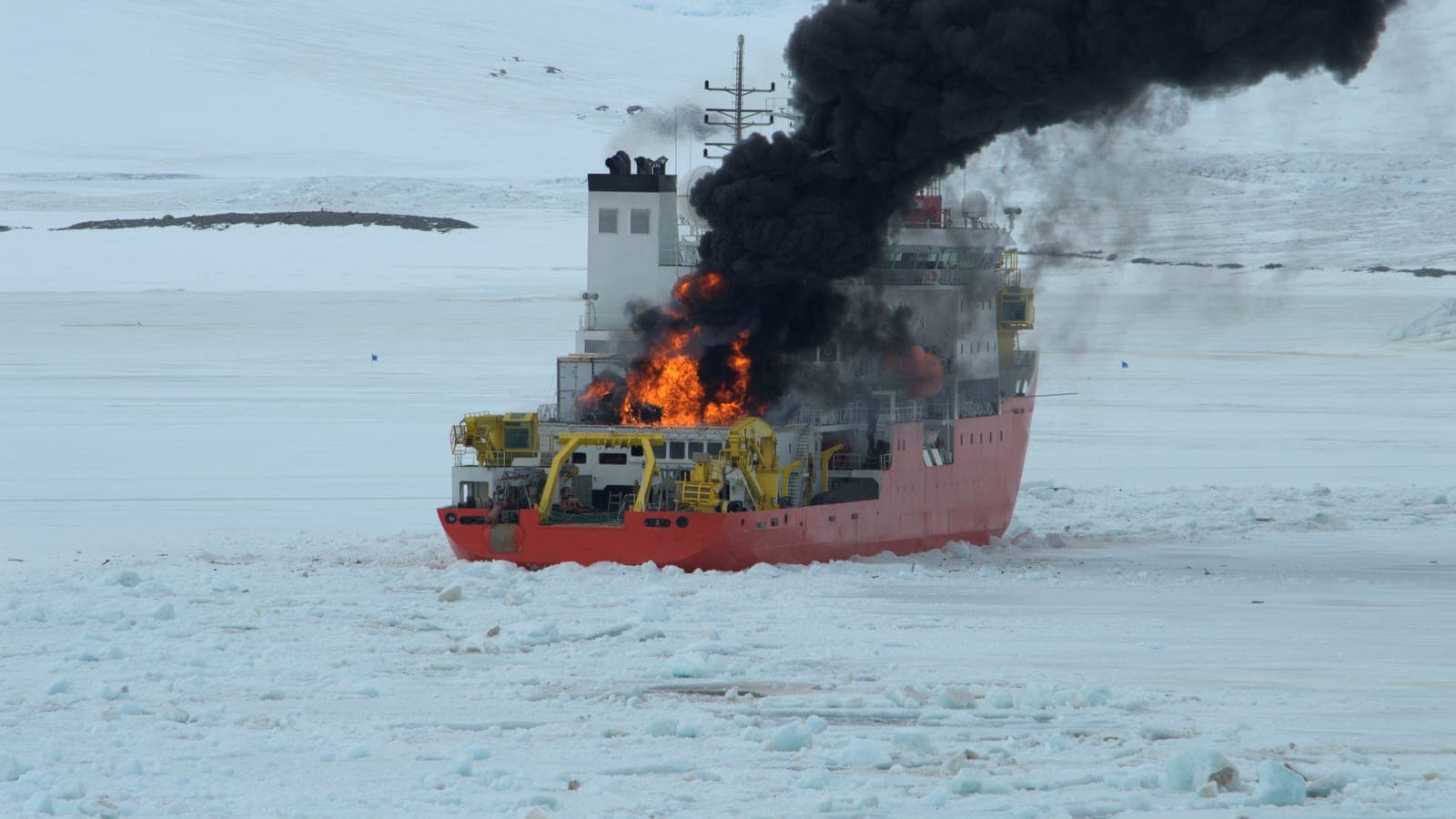
A marine fire investigation determines where and how a fire on a boat, ship, or other watercraft started. A qualified investigator reconstructs the event by examining burn patterns, electrical and fuel systems, and propulsion components, then tests each candidate cause against the physical evidence under NFPA 921 before reaching a conclusion.
How is origin and cause determined on a boat fire?
The method is the same one used on land, applied to a hull instead of a building. The investigator follows NFPA 921, the widely referenced guide for fire and explosion investigations, and works through a structured process: define the problem, collect data, form hypotheses, test each hypothesis against the evidence, and keep only the conclusion the evidence supports.
Origin comes first. The investigator reads fire patterns on the deck, cabin, bilge, and engine compartment to trace the fire back toward its point of origin. Depth of char, melted and deformed materials, and the direction of heat movement all help narrow the area. On a vessel, fire and heat rise and spread through confined spaces differently than in a house, so the investigator accounts for the layout, ventilation openings, and the materials used in the hull and interior.
Cause follows origin. Once the area of origin is defined, the investigator identifies the ignition source, the first fuel ignited, and the circumstances that brought them together. On watercraft, several systems concentrate that risk.
What causes most vessel fires?
Boats and ships pack fuel, electrical power, and heat sources into a small, enclosed, moving structure. The common ignition sources our engineers evaluate include:
- Electrical faults in wiring, panels, battery banks, chargers, and shore-power connections. Salt air and vibration degrade insulation and connections over time.
- Fuel system failures, including leaks from gasoline or diesel lines, fittings, and tanks. Gasoline vapor is heavier than air and collects in the bilge, where it can reach an ignition source.
- Propulsion and engine problems, such as overheated engines, exhaust and cooling failures, and turbocharger or manifold heat.
- Appliances and accessories, including galley stoves, heaters, and aftermarket equipment added without proper protection.
A structural or component failure often sits behind the ignition. Determining whether a charger, a fuel fitting, or a wiring harness failed, and why, is where forensic engineering and fire investigation meet. Our fire origin and cause work is performed by licensed Professional Engineers, and our fire investigators are NAFI-certified, so electrical and mechanical failures get evaluated by people qualified to analyze them.
How are recovered or salvaged vessels handled?
Many marine fires end with the vessel partially or fully submerged, beached, towed, or hauled to a yard. That does not close the door on an investigation. Water and salvage handling can move or damage evidence, so the sequence of custody matters.
The investigator documents the vessel in its recovered condition before anything is disturbed, using photographs, measurements, and notes. Evidence is preserved and, where appropriate, components such as electrical panels, fuel components, and engine parts are removed for closer examination in a controlled setting. When multiple interested parties may have claims, examinations are often coordinated so all sides can observe, which protects the evidence and the findings. Careful documentation early prevents disputes later about what was present and what was altered during recovery.
For a fuller view of how these cases proceed and what our team examines, see our overview of marine fire investigation.
Why NFPA 921 matters for insurers and attorneys
For an adjuster weighing coverage or subrogation, and for an attorney preparing a claim or defense, the value of the report is in its defensibility. A conclusion reached through the NFPA 921 process, with hypotheses tested rather than assumed, holds up under scrutiny far better than a guess about the "usual" cause. If the evidence does not support a single cause, an honest investigator says so and classifies the cause as undetermined rather than forcing a result.
That discipline protects everyone relying on the finding. It supports a subrogation claim against a manufacturer when a component failed, and it just as clearly rules out a theory that the physical evidence cannot back. ESI Nationwide has investigated more than 5,000 properties since 1991 and serves insurance adjusters and attorneys across the country, applying the same standards on the water that we apply on land.
Talk to an engineer about your vessel fire
If you are handling a boat or ship fire claim and need origin, cause, and failure analysis you can stand behind, our engineers can help. Contact us for a free consultation.