
Areas served · Kansas
Forensic Engineering in Manhattan
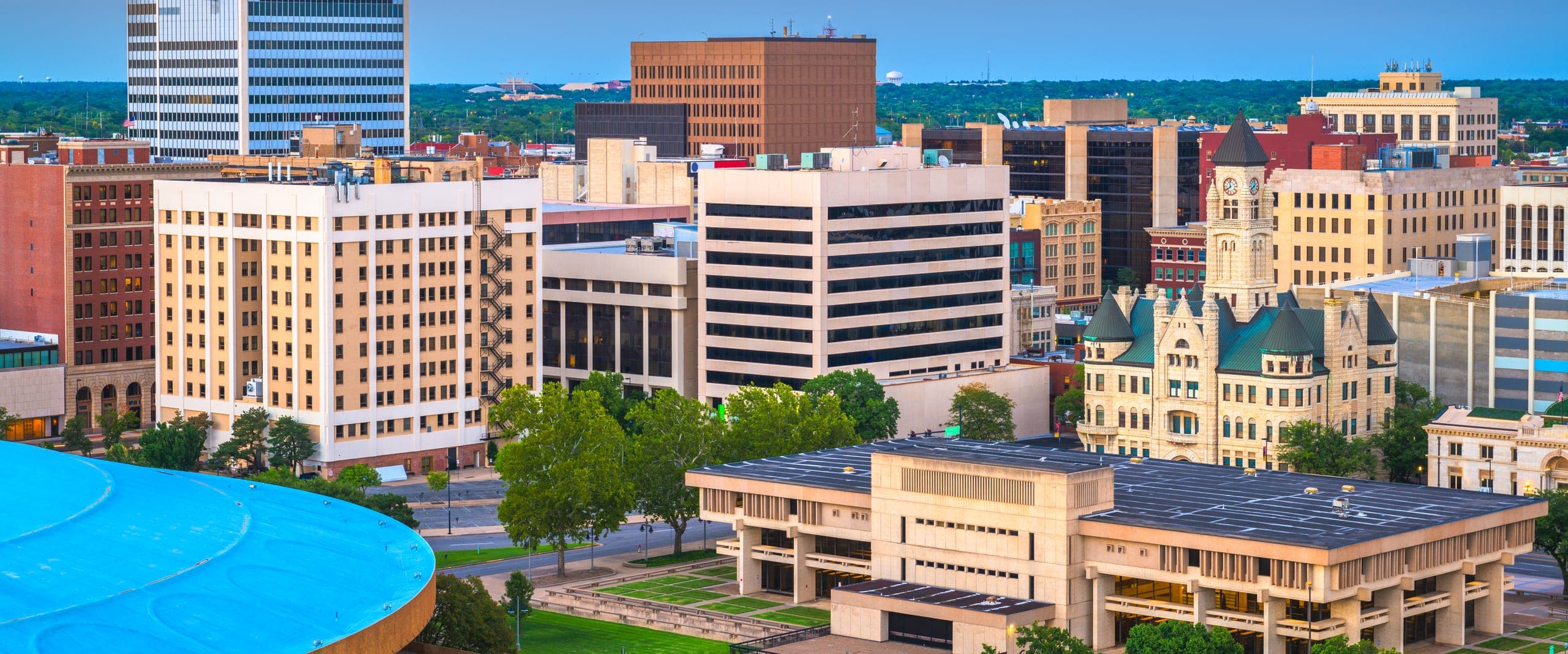
In and around Manhattan
What we investigate in Manhattan
Manhattan sits where the Big Blue meets the Kansas River in northeast Kansas, so the losses we evaluate here trace to tornado and straight-line wind, large hail, and river flooding on a stock of aged college-town rentals. We document what actually failed, a licensed engineer responds within 24 hours, and there are no travel charges.
The conditions we see in Manhattan
Northeast Kansas sits in Tornado Alley, and Manhattan has taken a direct hit. On June 11, 2008, an EF4 tornado tracked through the city and across the Kansas State University campus, damaging Ward Hall and other buildings and destroying homes along its path. Between the headline tornadoes, the region absorbs derecho-class straight-line winds and large hail that lift roofs, drive rain behind the failure, and fracture cladding in ways that decide a claim. That mix of tornado, downburst wind, and hail is the wind hazard we are most often called to sort out here.
The city also stands at the confluence of the Big Blue and Kansas (Kaw) Rivers and remains flood-exposed. The Great Flood of July 1951 put several feet of water through the Manhattan area after both rivers crested, and it drove the construction of Tuttle Creek Dam on the Big Blue and other upstream reservoirs for flood control. Those works reduced the risk, but the confluence keeps residual exposure. The ground is Flint Hills bedrock, Permian limestone interbedded with chert and softer shale whose weathering yields the region's residual soils. Much of the housing skews to older single-family homes subdivided into student rentals around Aggieville, carrying aged wiring, additions, and heavy occupancy.
How we help in Manhattan
The evaluations Manhattan cases usually call for
- Wind, hail, and structural evaluation
After a tornado, a derecho, or a large-hail storm, a lifted roof, a racked wall, or fractured cladding can trace to the wind and hail themselves, to flood saturation at the river confluence, or to a construction defect in aged rental stock. Our licensed engineers evaluate the structure and the loading together and document which one is responsible.
Our structural engineering services- Flood and storm loss investigation
When water reaches a property near the Big Blue and Kaw confluence, or a storm damages a structure, we determine whether the loss came from the flood, from wind and wind-driven rain, or from a condition that predated the event. We ground each conclusion in the physical evidence, not assumption.
Our forensic engineering services
Fire origin & cause
Fire origin and cause in Manhattan
Manhattan is a Kansas State University town, and its fire risk concentrates in the older single-family houses and apartments subdivided into student rentals around Aggieville. Heavy occupancy, aged wiring, and decades of additions put more load on old circuits and pack more people into buildings that burn faster than newer construction. When a fire runs through that older stock, the cause is rarely obvious in the debris, and pinning the origin down is what a claim or a case turns on.
Our NAFI-certified investigators build every determination under NFPA 921. They examine the scene methodically, trace the burn and char patterns back to the area of origin, and evaluate the electrical and mechanical systems, testing and ruling out each candidate cause until the evidence supports one, accidental or incendiary. We preserve the evidence before overhaul and weather degrade it, record the finding in a written report, and stand behind it at deposition and trial.
Fires we investigate
- Residential and commercial fires
- Student-rental and multi-family housing fires
- Electrical and wiring fires in aged systems
- Heating-equipment fires
- Vehicle fires
Common questions
Forensic engineering in Manhattan, Kansas
A different question about your case? An engineer, not a call center, answers within 24 hours.
Is storm damage in Manhattan from wind, hail, or something older?
It can be any of them. Tornado and downburst winds, large hail, and wind-driven rain each mark a roof and cladding differently, and prior wear or a defect can mimic fresh damage. We evaluate the pattern at the property and separate the storm loss from what predated it before assigning a cause.
Can you assess flood damage after the water recedes at the river confluence?
Yes. Much of the structural evidence remains after high water on the Big Blue or the Kaw, and we evaluate the foundation, framing, and finishes to document what the flood caused rather than a pre-existing condition.
Do you charge travel to reach Manhattan?
No. We work Manhattan-area cases from our Omaha lab and Los Angeles office with no travel charges, and a licensed engineer responds within 24 hours.
Have a loss that needs answers?
Tell us what happened. An engineer, not a call center, will review your case.