

When Does an Aging Building Need a Structural Safety Evaluation? Red Flags for Los Angeles Property Owners

Los Angeles has one of the most diverse and aging building stocks of any city in the country. Mid-century apartment buildings, pre-war commercial structures, industrial warehouses converted to creative offices, and masonry buildings that predate modern seismic codes all coexist across the city’s neighborhoods. For owners of these buildings, the question isn’t whether the building […]
The Forensic Engineer’s Role in Construction Defect Litigation: What Attorneys Need to Know
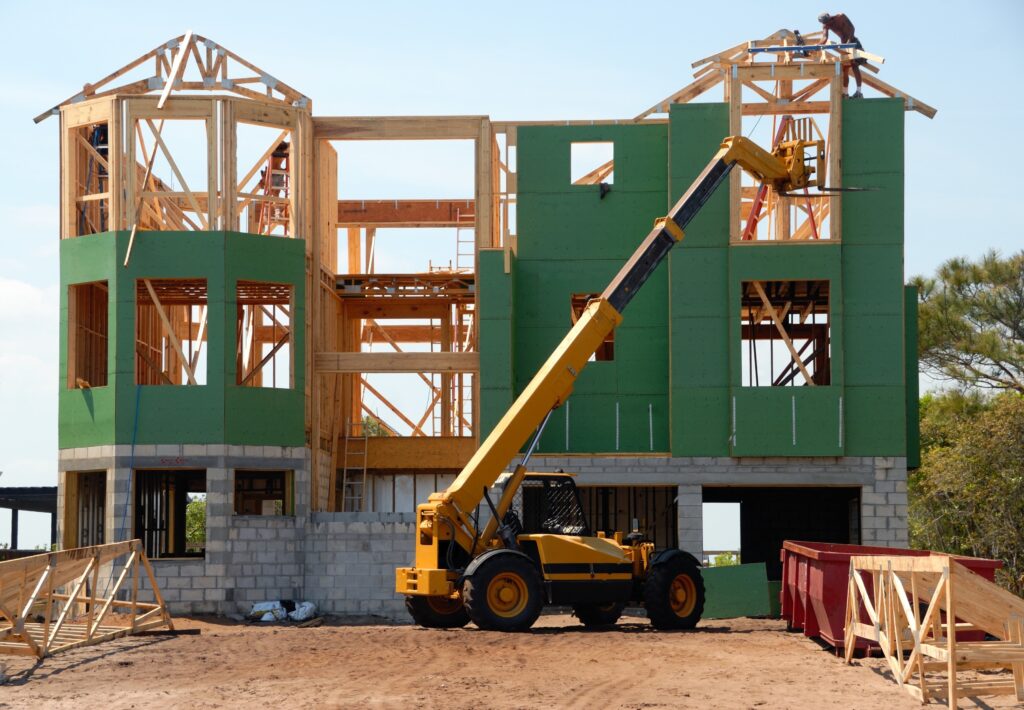
Construction defect cases are built on technical evidence. The legal theories (negligence, breach of warranty, breach of contract) all require proving that something was built wrong, that the deficiency caused damage, and that repairs are necessary. That proof comes from a forensic engineer’s investigation. For attorneys handling these cases, understanding how the engineering side works, […]
SB 800 and the Forensic Engineer: How California’s Right to Repair Law Shapes Defect Investigations

California’s SB 800, the Right to Repair Act, fundamentally changed how construction defect claims are handled in the state. For residential construction built after January 1, 2003, SB 800 establishes a mandatory prelitigation process that both sides must follow before a defect case can proceed to court. For forensic engineers, this law doesn’t just affect […]
What Forensic Engineers Look for When Assessing Storm Damage to Commercial Buildings

A severe storm moves through and the calls start coming in. Roof leaks appear in a warehouse. HVAC units on the roof of an office building aren’t running right. A retail building’s facade has visible damage. For commercial property owners and their insurance carriers, the question is always the same: what did the storm actually […]
What Happens to the Forensic Engineering Report After We Submit It: How Our Findings Move Through the Claims Process

We spend days, sometimes weeks, investigating a loss, analyzing the evidence, and writing a report that documents what happened, what caused it, and what it will take to fix. Then we submit it to the insurance carrier, and from our perspective, the report enters a process that most of our clients (property owners, building managers, […]
Post-Disaster Structural Assessment: How Engineers Determine if a Building Is Safe to Occupy
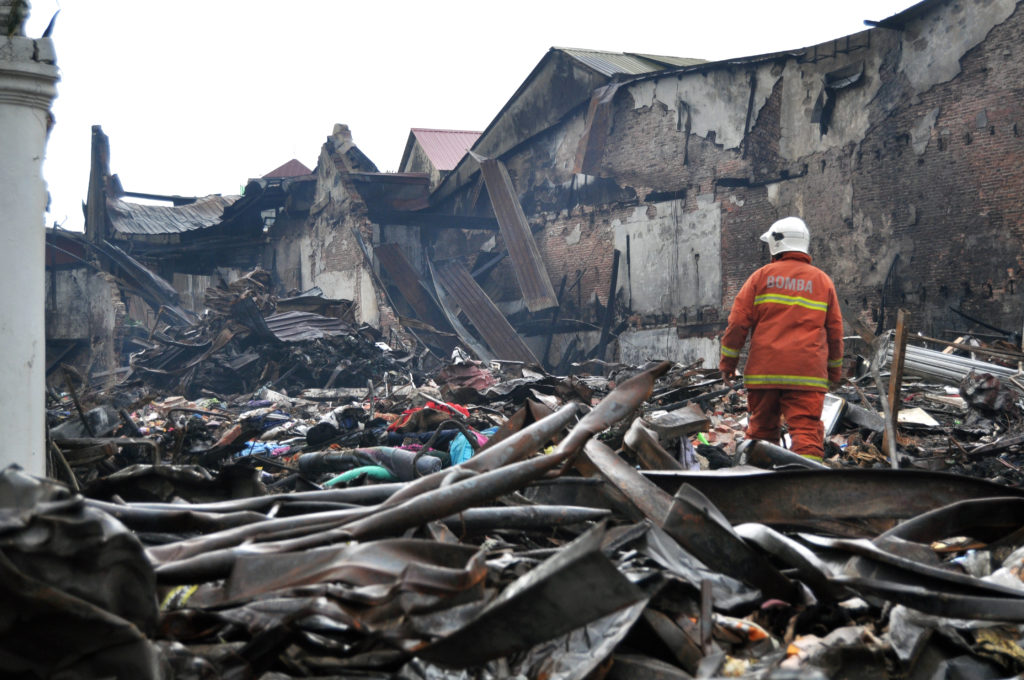
After a tornado tears through a neighborhood, a fire guts a commercial building, or floodwaters recede from a district, one of the first and most important questions is deceptively simple: is this building safe to go back into? The answer isn’t always obvious. A building that looks structurally intact from the street may have compromised […]
Diagnosing Water Intrusion: How Forensic Engineers Investigate Building Envelope Failures
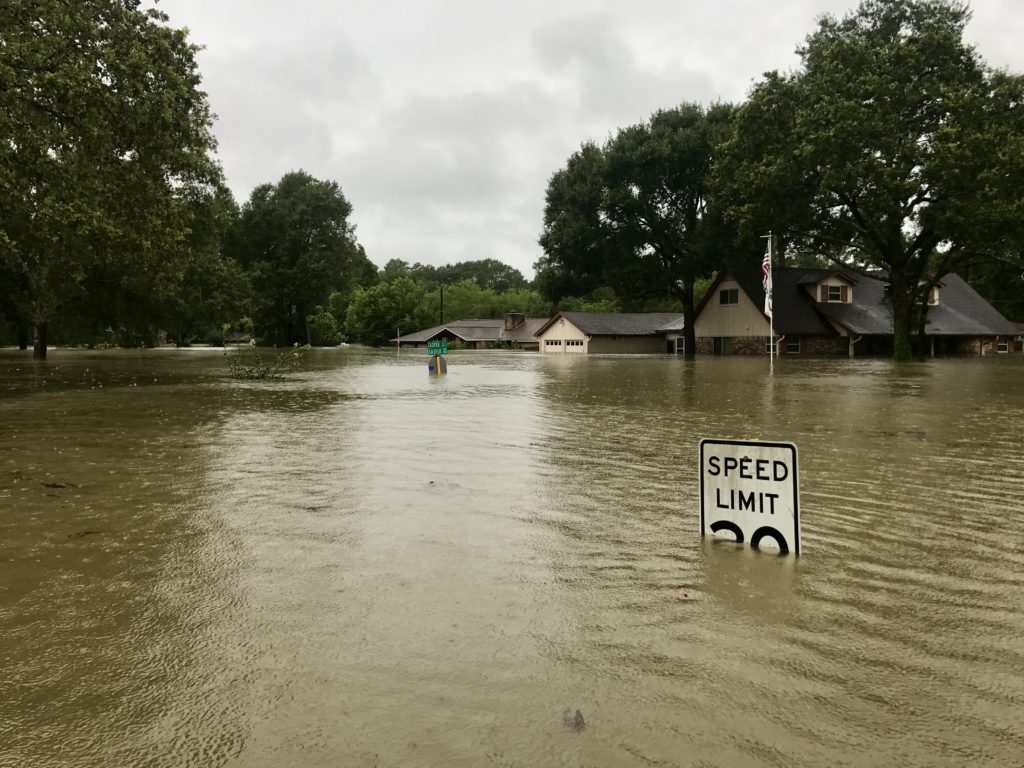
Water is patient. It finds every gap, every unsealed joint, every missed flashing detail, and it exploits them slowly and persistently until the damage becomes impossible to ignore. By the time a building owner sees staining on a ceiling, mold on a wall, or bubbling paint around a window, the water has often been traveling […]
Seismic Damage Assessment: How Forensic Engineers Evaluate Buildings After an Earthquake

Earthquakes don’t give warnings, and they don’t leave simple damage patterns. A building that appears undamaged from the sidewalk may have fractured connections hidden behind finishes. A building with dramatic cosmetic cracking may be structurally sound. For building owners, insurers, and local authorities, the forensic engineer’s post-earthquake assessment is what separates perception from reality and […]
How Forensic Engineers and Fire Investigators Work Together on Origin and Cause Cases
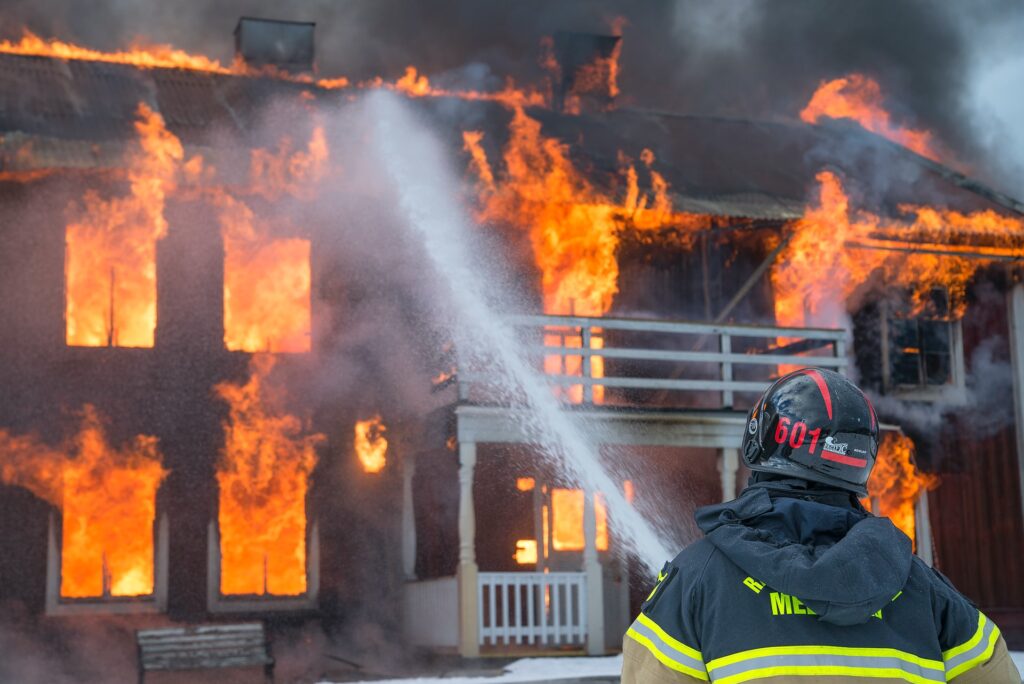
When a structure fire results in a significant loss, the investigation rarely falls to a single professional. Fire investigators and forensic engineers bring different expertise to the same scene, and when they work together effectively, the result is a more complete, more defensible determination of what happened and why. For insurance carriers, attorneys, and property […]
Why Insurance Carriers Hire Forensic Engineers — and What Happens During the Inspection

If you’re a property owner dealing with an insurance claim and you learn that the carrier is sending a forensic engineer to inspect your property, your first reaction is probably some combination of confusion and concern. Most people have never encountered a forensic engineer before, and the word “forensic” makes it sound like someone suspects […]