July 23, 2026
A forensic electrical engineer determines why an electrical system, component, or piece of equipment failed. They examine wiring, connections, controls, and appliances to identify the failure mode, whether it started a fire, and whether a defect, installation error, or misuse was responsible. Their findings support insurance claims and litigation.
What does a forensic electrical engineer investigate?
Electrical failures show up across a wide range of claims, and the engineer's job is to separate cause from symptom. Common subjects include:
- Electrical fires, where the question is whether wiring, a device, or an appliance was the ignition source.
- Component and equipment failures, such as motors, transformers, circuit breakers, and control boards that stopped working or overheated.
- Arc faults and arcing at loose or corroded connections, which can generate enough heat to ignite nearby material.
- Overloaded or improperly sized circuits and conductors.
- Appliance and consumer product failures tied to internal electrical faults.
- Damage from lightning, surges, or utility events, and whether the reported damage is consistent with the claimed cause.
In each case the goal is the same: identify the specific failure mechanism and the parties or conditions connected to it, using evidence rather than assumption.
How does the investigation work?
The process is methodical because the conclusions have to hold up under review. A licensed Professional Engineer typically works through several stages.
First comes scene and evidence review. When the failure involves a fire, the origin and cause work follows NFPA 921, the recognized guide for fire investigation. The engineer documents the area of origin, the burn patterns, and the electrical equipment present, often alongside a NAFI-certified fire investigator.
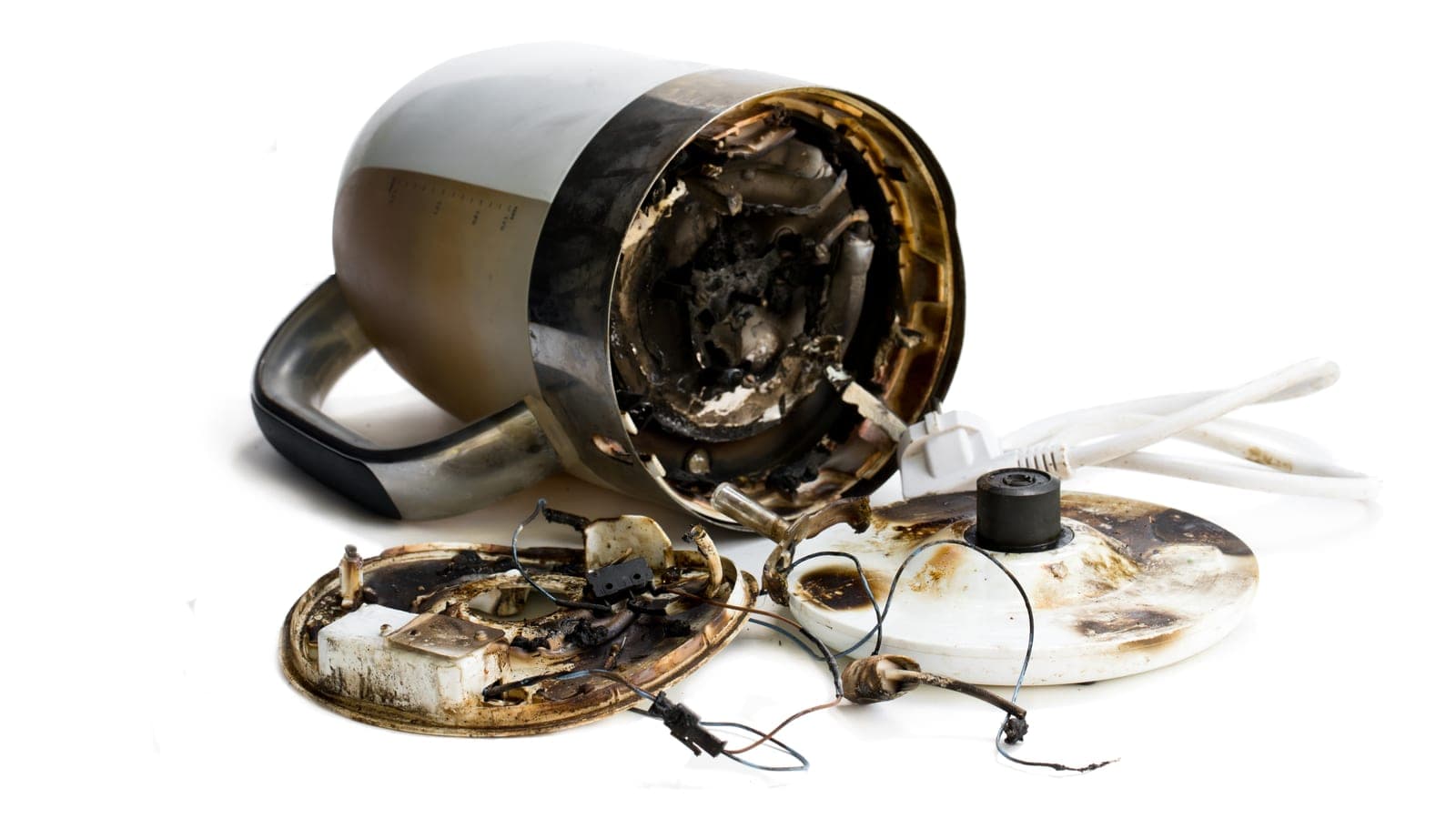
Next is artifact examination. The engineer collects and inspects the suspect wiring, device, or appliance. Physical evidence like beaded conductors, arc surveys along a circuit, and internal damage to a component can point to where and how the fault occurred. This work is done carefully so the evidence is preserved for other parties, which matters when a claim heads toward subrogation or trial.
The engineer then tests and analyzes. This can include electrical testing of exemplar units, examination under magnification, and comparison of the failed part against how the product is designed to operate. The analysis distinguishes a manufacturing or design defect from an installation error, a maintenance problem, or normal wear.
Finally, the engineer reports. A clear written report lays out what was examined, the failure mode identified, the basis for each conclusion, and what was ruled out. If the matter proceeds, the same engineer can serve as an expert witness and defend the analysis in deposition or at trial.
Because ESI has investigated over 5,000 properties, the engineers approach each file knowing how these systems fail in the real world, not just in theory. You can see the full range of related work on our forensic engineering services page.
When should an adjuster or attorney bring one in?
Call a forensic electrical engineer when the cause is disputed, when the loss is large, or when recovery from a third party is possible. A few signals that warrant an early engineering review:
- A fire report lists an electrical cause, but the specific source is not pinned down.
- A relatively new appliance, panel, or piece of equipment failed, raising a possible product or installation claim.
- The claimed cause and the observed damage do not obviously match, for example a surge claim with damage that looks like ordinary wear.
- There is potential subrogation and the responsible product or contractor needs to be identified.
- Opposing counsel has retained an expert and you need an independent analysis.
Bringing an engineer in early has a practical benefit: physical evidence degrades, gets repaired over, or is discarded. An inspection before cleanup or demolition preserves the artifacts that answer the question. Waiting can leave everyone arguing over photographs instead of parts.
What you get from the engagement
The value of a forensic electrical engineer is a defensible answer. Instead of a guess about what happened, you get a documented chain of reasoning from evidence to conclusion, prepared by a licensed PE who can explain it to a claims committee, a mediator, or a jury. That clarity helps you decide whether to pay, deny, or pursue recovery, and it holds up when the other side pushes back.
ESI serves insurance adjusters and attorneys nationwide, and our engineers handle electrical failure and fire origin work as part of everyday casework.
If you have a claim that turns on why something electrical failed, contact us for a free consultation and we will talk through what an inspection would involve.