August 20, 2026
Structural engineering and forensic engineering answer opposite questions. A structural engineer designs a building or component so it will stand up under expected loads. A forensic engineer arrives after something has already broken, burned, or collapsed, and determines why. One looks forward to what should be built; the other looks backward to explain what failed.
What is the difference between forensic and structural engineering?
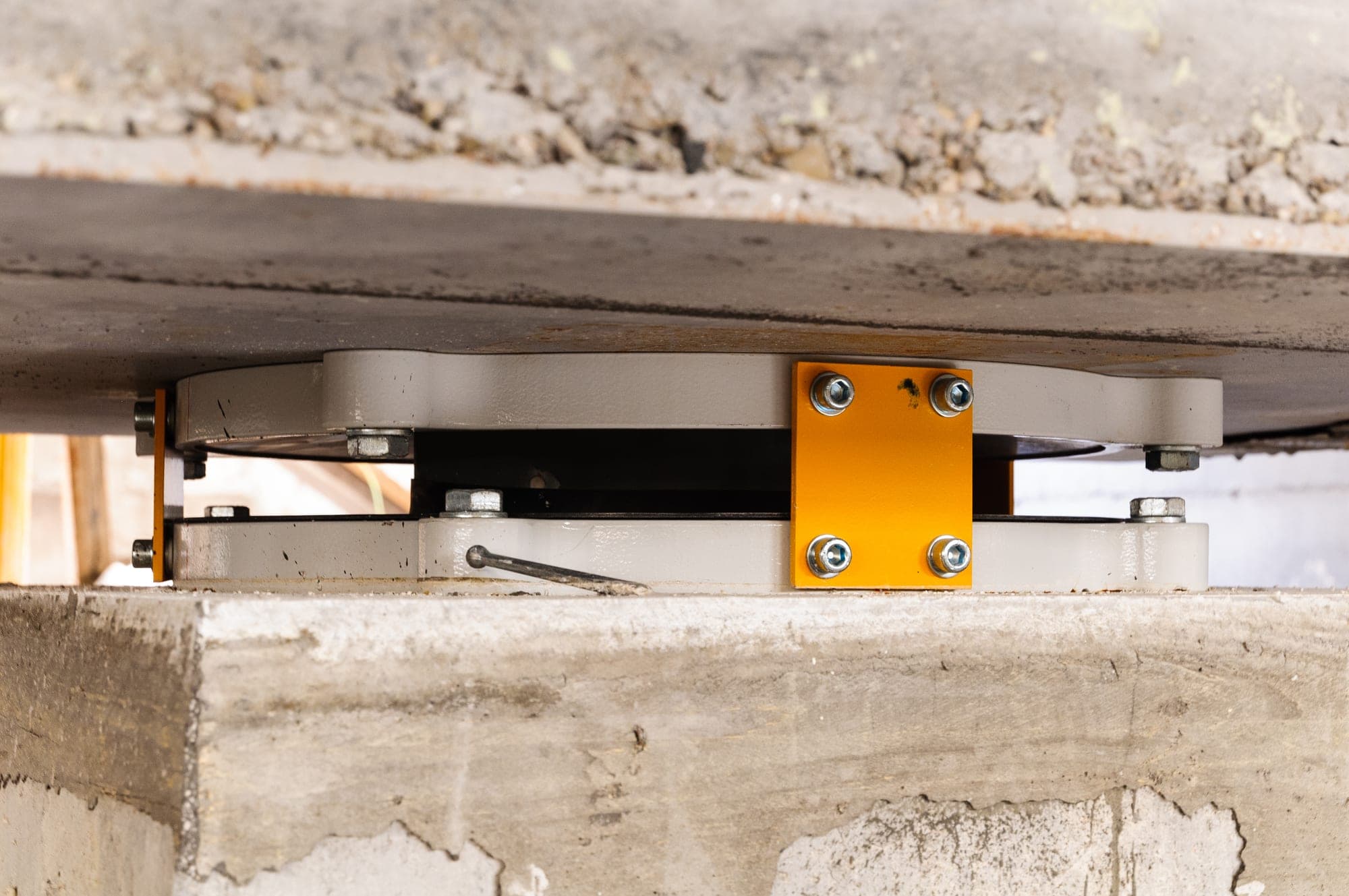
Structural engineering is a design discipline. The engineer calculates loads, sizes beams and columns, and specifies materials so a new structure performs as intended for decades. The deliverable is a set of drawings and calculations for something that does not yet exist.
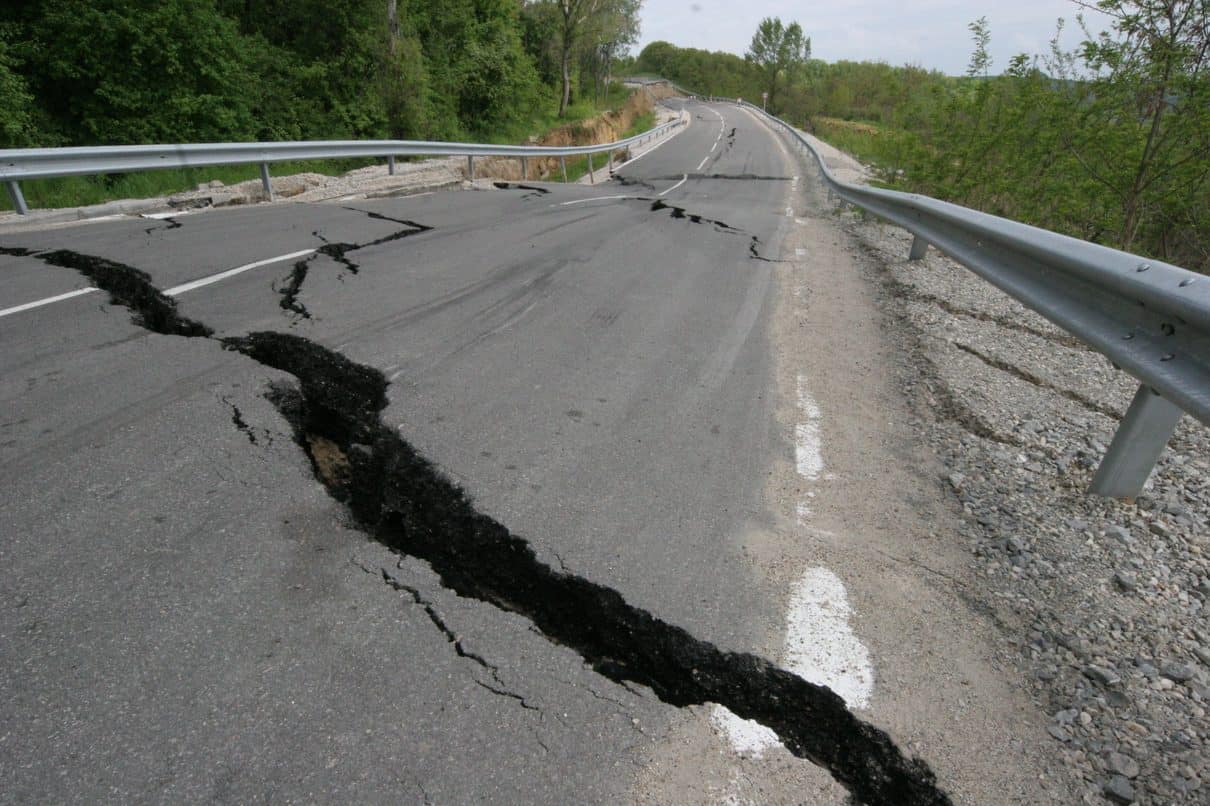
Forensic engineering is an investigative discipline. The engineer studies an existing failure, a cracked foundation, a collapsed roof, a burned building, or a component that stopped working, and reconstructs the sequence of events that caused it. The deliverable is a documented, defensible opinion on cause. Forensic work often draws on structural knowledge, but it adds evidence collection, failure analysis, and the ability to explain findings to people who are not engineers.
Put simply: structural engineers build the case for a design. Forensic engineers build the factual record after a loss.
When do you need a structural engineer?
You need a structural engineer when the goal is forward-looking. That includes designing a new building, evaluating whether an existing structure can carry a proposed addition, or certifying that a repair plan meets accepted engineering standards. If the question is "will this hold?" before construction or renovation, that is design and analysis territory.
Property owners and contractors also call structural engineers to assess remaining capacity after minor damage, so long as the aim is a repair specification rather than an opinion on cause and liability.
When do you need a forensic engineer?
You need a forensic engineer when a loss has already occurred and someone has to prove what happened and why. Insurance adjusters and attorneys typically bring in forensic engineers for exactly these situations:
- A roof or structure collapses and the carrier needs to know whether the cause was a covered peril, poor construction, or deferred maintenance.
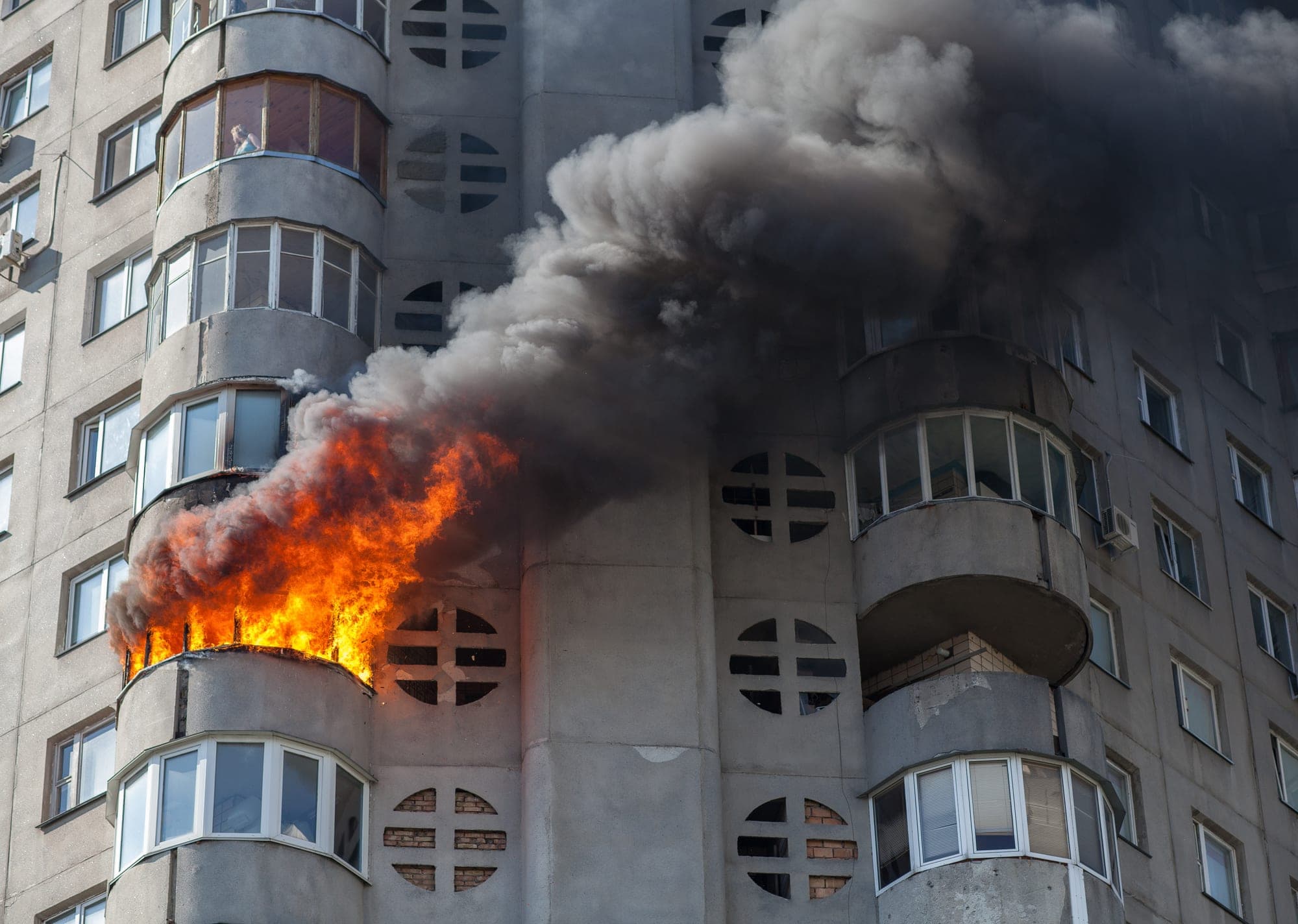
- A building burns and the origin and cause must be established under NFPA 921.
- A product, electrical component, or mechanical part fails and there is a dispute over defect versus misuse.
- Storm or hail damage is contested and the timing and extent of the damage are in question.
- A claim is heading toward litigation and the file needs an expert who can support an opinion in deposition or at trial.
The distinguishing feature is that a forensic engineer's findings must survive scrutiny. Opposing counsel will challenge the methodology, so the work has to rest on physical evidence, accepted standards, and clear documentation.
What does ESI's forensic scope cover?
Engineering Specialists, Inc. has performed forensic engineering since 1991, more than 35 years, and has investigated over 5,000 properties. The work is carried out by licensed Professional Engineers, and fire investigations are handled by NAFI-certified investigators following NFPA 921 for origin and cause.
ESI's forensic scope includes structural evaluation of damaged or collapsed buildings, fire origin and cause investigation, product and component failure analysis, electrical failure analysis, and storm and hail damage assessment. Each investigation is built to support the claim decision or the case, whether that means a written report, evidence preservation, or expert witness testimony. You can review the full range of forensic engineering services to see how each type of investigation is handled.
Because ESI serves insurance adjusters and attorneys nationwide, the reports are written for the people who use them: claim professionals weighing coverage and counsel preparing for litigation. The findings connect the physical evidence to a defensible conclusion.
Choosing the right engineer for your situation
Ask what you actually need to know. If you are planning to build or repair and want assurance the structure will perform, that is a design question for a structural engineer. If a loss has already happened and you need to establish cause, assign fault, or defend a claim, that is a forensic question. For insurance and legal matters, the forensic path is almost always the one that produces the evidence and testimony the file requires.
The two roles overlap in knowledge but differ in purpose. A forensic engineer with strong structural expertise can evaluate a collapse and explain it; a design engineer without investigative training and courtroom experience usually cannot fill the same role.
Talk to a forensic engineer
If you are working a claim or a case and need to know what caused a failure, ESI can help. Contact us for a free consultation and we will walk through what your file needs.