August 11, 2026
To find a forensic engineer near you, verify four things before you hire: the individual assigned to your case holds an active Professional Engineer (PE) license, the engineer's specialty matches your failure type, the work follows recognized standards, and the engineer has testified before. Proximity matters less than the right qualifications.
What does "near me" really mean for a forensic engineer?
Many adjusters and attorneys type "forensic engineer near me" because they assume the closest firm can respond fastest to a loss site. Location does help with prompt site inspection and evidence preservation, but it is not the quality that decides a case. A forensic engineer studies a physical failure after it happens, then explains the cause in a report and, when needed, on the witness stand. The value comes from the engineer's credentials, technical fit, and ability to hold up under cross-examination, not from a nearby office.
A firm that works nationwide can send a qualified engineer to a local loss while still bringing the specific expertise your file demands. That combination, local response plus the right specialist, is usually a better outcome than picking whoever is closest.
What credentials should a forensic engineer have?
Start with licensure. The individual doing the analysis and signing the report should be a licensed Professional Engineer. A PE license means the engineer passed rigorous exams and met experience requirements, and it signals accountability for the opinions in the report. Ask directly which named engineer will handle your case and confirm that person's license.
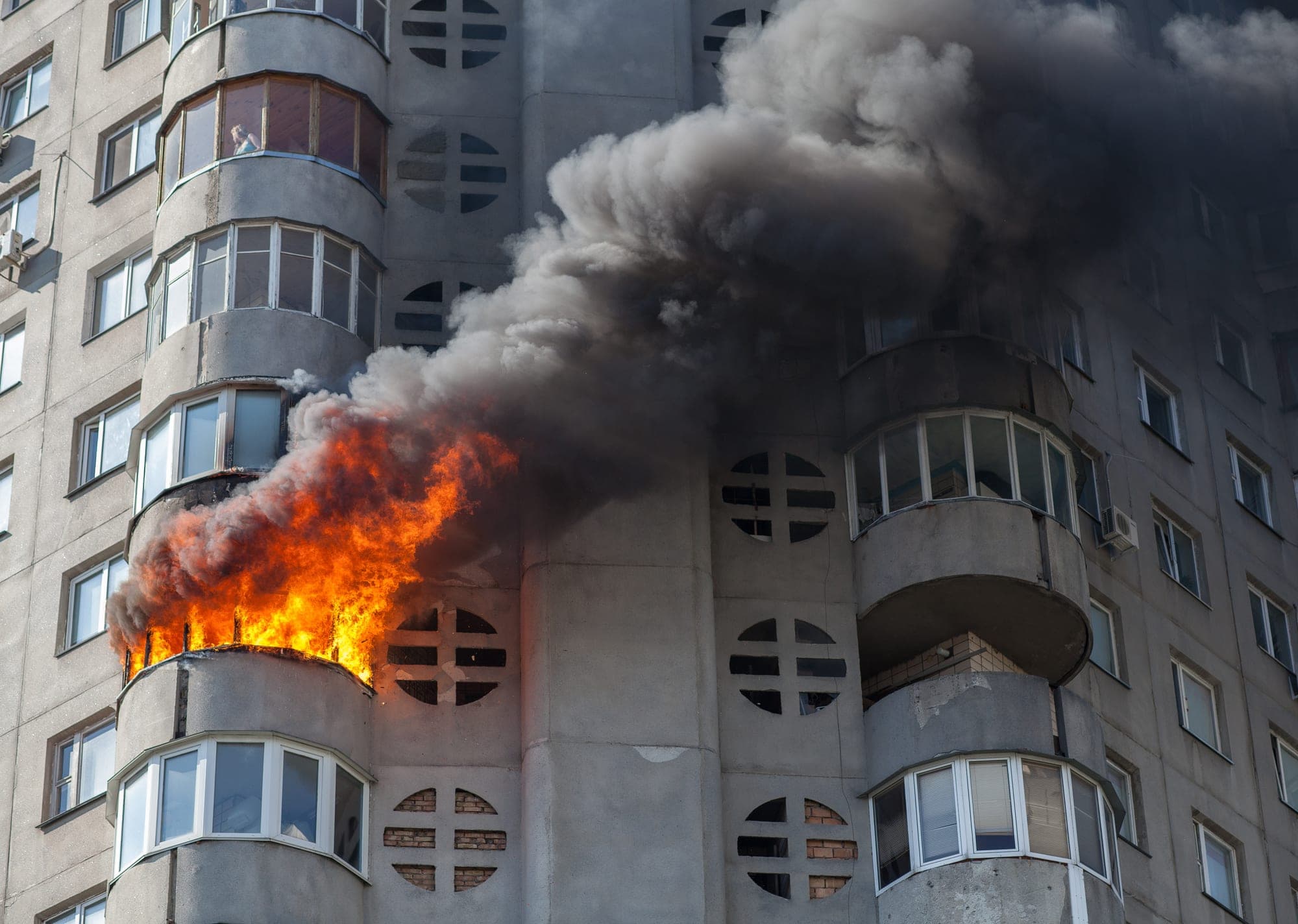
If fire is involved, look for additional qualification. Fire origin and cause work should be handled by investigators with recognized certification. At ESI, fire investigators are NAFI-certified, and origin and cause investigations follow NFPA 921, the standard that fire experts and courts expect.
Beyond the paperwork, ask about depth of experience. A firm that has investigated thousands of properties has seen a wide range of failure patterns, which helps an engineer separate the actual cause from coincidental damage.
Match the engineer to your failure type
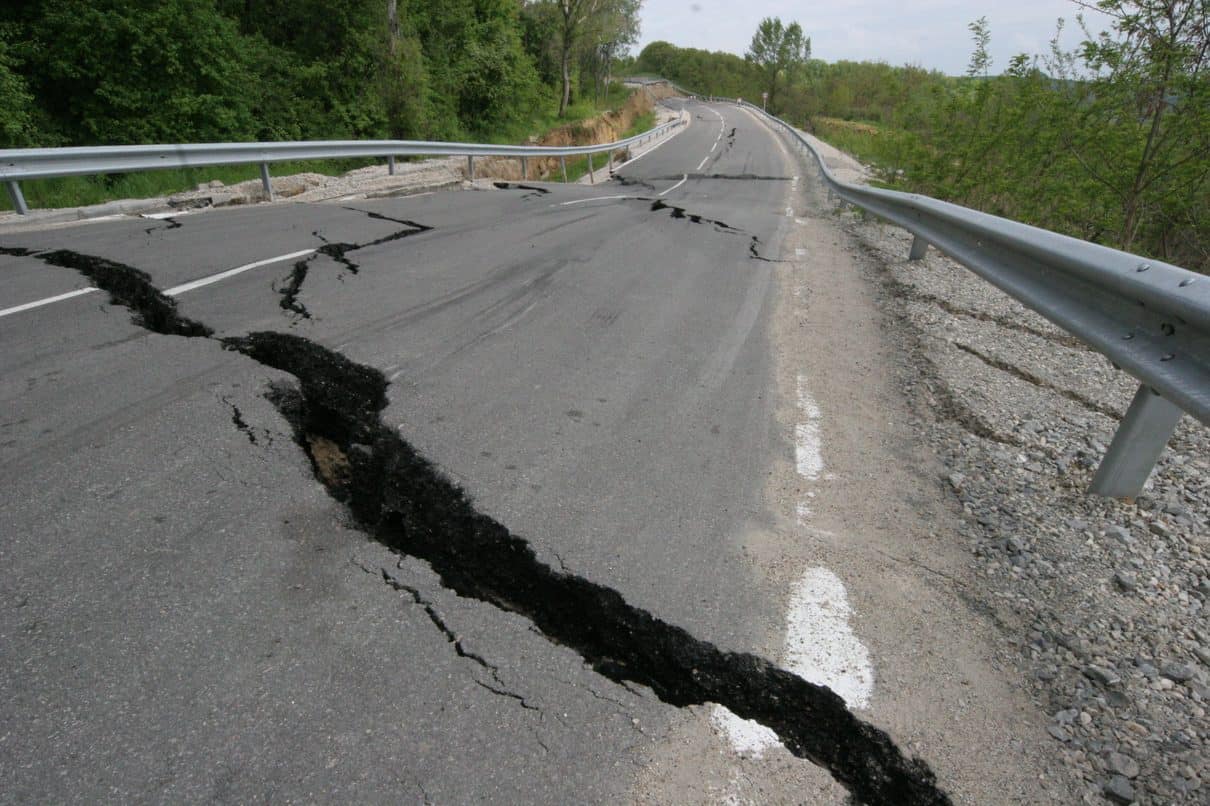
Forensic engineering is not one skill. A structural collapse, an electrical fire, a failed product, and hail damage each call for different technical knowledge. Hiring an engineer whose background fits the failure is more important than hiring the closest one. Common specialties include:
- Structural evaluation for collapses, foundation movement, and framing failures
- Fire origin and cause investigation under NFPA 921
- Product, component, and electrical failure analysis
- Storm and hail damage assessment
- Engineering litigation support and expert witness work
Ask the firm which engineer handles your specific loss type and how often. An engineer who regularly analyzes electrical failures will read a burned panel differently than a generalist. You can review the full range of forensic engineering services to see how a specialty lines up with your claim.
Does the engineer follow recognized standards?
A credible investigation follows a defined method, not a hunch. Ask the engineer to describe the process: how the scene is documented, how evidence is preserved, how alternative causes are tested and ruled out, and which published standards guide the work. Fire investigations should cite NFPA 921. Other disciplines have their own accepted practices and testing protocols.
Standards matter for two reasons. First, they produce more reliable conclusions. Second, an opinion built on a recognized method is far harder for opposing counsel to attack. If an engineer cannot explain the standard behind a conclusion, that is a warning sign.
Can the engineer testify if the claim goes to court?
Many claims settle, but some go to trial or deposition. Before you hire, ask whether the engineer has given expert testimony and how a report is prepared with litigation in mind. A strong forensic report states the facts observed, the method used, and the conclusion in plain terms that a judge, jury, or adjuster can follow. An engineer comfortable in the courtroom writes clearly, sticks to what the evidence supports, and does not overstate.
For attorneys, this is often the deciding factor. An accurate analysis loses value if the engineer cannot explain it under pressure. Ask about deposition experience and request a redacted sample report so you can judge the writing before you commit.
A practical checklist before you hire
- Confirm the named engineer holds an active PE license
- For fire losses, confirm NAFI certification and NFPA 921 methodology
- Match the engineer's specialty to your failure type
- Ask which standards guide the investigation
- Ask about prior expert testimony and request a sample report
- Confirm the firm can respond promptly to your loss location
ESI has provided forensic engineering to insurance adjusters and attorneys nationwide since 1991, with work performed by licensed Professional Engineers across structural, fire, electrical, product, and storm claims.
If you have a loss to investigate, contact us for a free consultation and we will match your case to the right engineer.