
After a tornado tears through a neighborhood, a fire guts a commercial building, or floodwaters recede from a district, one of the first and most important questions is deceptively simple: is this building safe to go back into? The answer isn’t always obvious. A building that looks structurally intact from the street may have compromised connections, weakened load paths, or hidden damage that makes it unsafe for occupancy. That determination falls to structural and forensic engineers, and the process is more systematic than most people realize.
The Rapid Visual Assessment
The first stage of a post-disaster structural assessment is a rapid visual evaluation. This is the triage phase. Engineers are moving quickly through affected areas, evaluating buildings from the exterior and, where safe to do so, from the interior. The goal isn’t a comprehensive engineering analysis. It’s a safety classification that determines whether people can enter the building, whether entry should be restricted, or whether the building is unsafe and must be vacated.
Most rapid assessment programs use a three-tier classification system. A building that passes the rapid assessment receives an “inspected” designation, meaning the engineer found no significant structural hazards and the building can be occupied while the owner arranges for more detailed evaluation and repairs. A “restricted use” designation means portions of the building are unsafe, but other areas may be occupied under specific conditions. An “unsafe” designation means the building cannot be entered until a more detailed evaluation is completed and hazards are addressed.
The rapid assessment examines the building’s primary structural system, the elements that keep it standing and carry loads to the foundation. Engineers look for visible indicators of structural distress: shifted walls, leaning columns, cracked foundations, separated connections, sagging roof lines, and evidence that the building has moved off its foundation. They also evaluate nonstructural hazards like damaged parapets, hanging debris, compromised stairs, and utility damage that could create immediate danger.
What Triggers a Detailed Assessment
The rapid visual assessment is designed to be conservative. When in doubt, the building gets a more restrictive classification. But many buildings require a more thorough evaluation before their long-term status can be determined.
A detailed structural assessment is triggered when the rapid evaluation identifies damage that may affect structural integrity but can’t be fully evaluated in a quick inspection. This includes cracking patterns in concrete or masonry that may indicate structural movement, visible deformation in steel members, foundation displacement that requires measurement, and fire damage to structural elements where the depth of heat penetration isn’t apparent from surface inspection.
Building owners often ask how long this process takes. The honest answer is that it depends on the extent and type of damage. A single-story commercial building with localized wind damage might be assessed in a day. A multi-story structure with widespread fire damage to structural steel may require multiple days of inspection, material testing, and engineering analysis before the engineer can determine what’s salvageable and what needs to be replaced.
How Engineers Evaluate Specific Disaster Types
Different disasters produce different types of structural damage, and engineers adapt their assessment methodology accordingly.
After a tornado, the primary concerns are wind uplift damage to the roof structure, lateral loading on walls, and connection failures throughout the load path. In the Midwest, where wood-frame, masonry, and pre-engineered metal buildings are common, engineers look for roof deck separation, wall racking, anchor bolt failures, and foundation movement. The pattern of damage relative to the tornado’s path helps the engineer understand the loading the building experienced and where hidden damage is most likely.
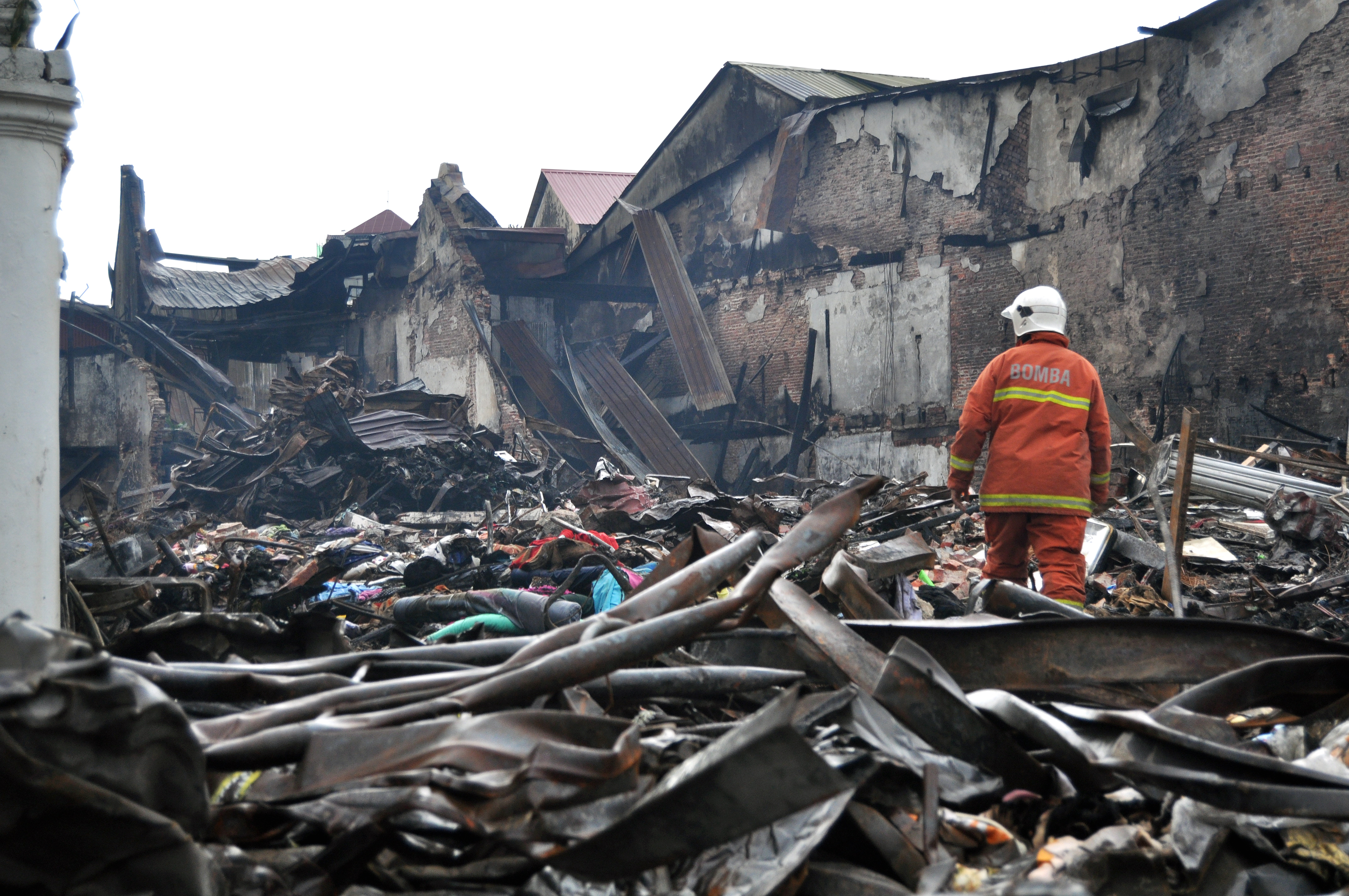
After a fire, the assessment focuses on how heat exposure affected the structural capacity of building elements. Steel loses strength at elevated temperatures and may not recover fully after cooling. Concrete exposed to high heat can experience spalling and reinforcement damage. Wood members that have charred may retain structural capacity in their unburned core, but the engineer must evaluate the remaining cross-section to confirm. Recognizing the signs that indicate a building needs professional structural evaluation, and understanding when those signs are urgent, can help property owners make faster, safer decisions after a disaster event.
After a flood, the structural concerns center on foundation integrity. Hydrostatic pressure and soil saturation can cause foundation walls to bow, shift, or crack. Erosion and scour around foundations can undermine bearing capacity. Prolonged water exposure can deteriorate wood structural elements and corrode steel connections. The engineer evaluates not just the visible damage but the soil conditions and drainage patterns that will affect the building’s long-term stability.
The Engineering Report and Next Steps
Following the detailed assessment, the engineer produces a report that classifies the damage, identifies structural deficiencies, and recommends a path forward. This might range from minor repairs that restore the building to its pre-disaster condition, to significant structural rehabilitation, to a determination that the building is a total loss and should be demolished.
The report serves multiple audiences. The building owner needs to know what to do next and what it will cost. The insurance carrier needs a documented basis for the claim. The local building department may require engineering certification before reoccupancy is permitted. And if the damage resulted from a third party’s actions (a contractor’s deficient construction, a manufacturer’s defective product), the engineering report becomes the foundation for any recovery action.
For building owners, the most important takeaway is that the assessment process exists to protect them. A building that hasn’t been evaluated by an engineer after a significant disaster event is an unknown risk. The cost of the assessment is small relative to the cost of occupying a building that isn’t structurally sound, or relative to the claim value if the damage isn’t properly documented before repairs begin.
If your building has been through a tornado, fire, flood, or other significant event and you’re uncertain about its structural condition, a forensic engineer’s assessment provides the documented, professional determination that protects both the occupants and the building owner’s interests going forward.