
Areas served · Colorado
Forensic Engineering in Denver
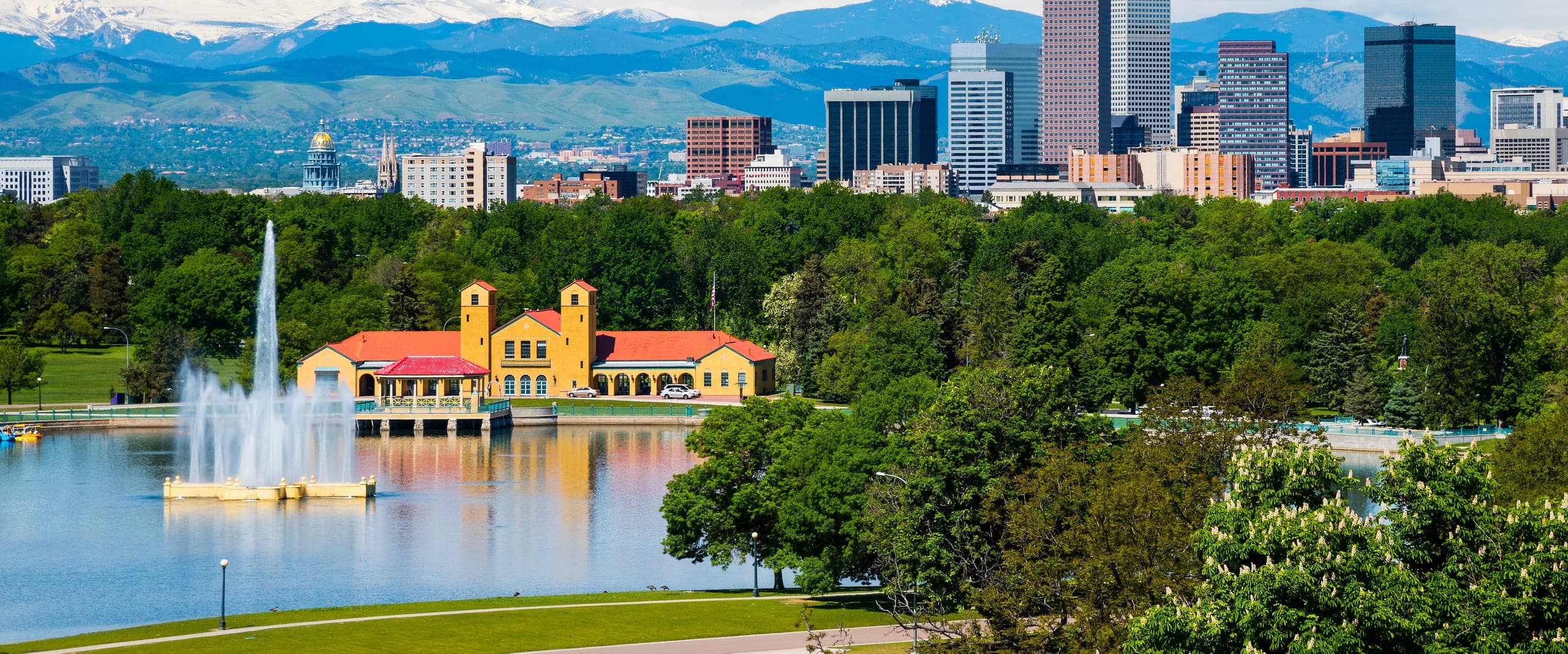
In and around Denver
What we investigate in Denver
Most Denver structural losses we are called to evaluate begin in the ground: steeply dipping claystone and heaving bedrock along the Front Range piedmont that lift and shear foundations, slabs, and flatwork differentially. We document what actually moved to a standard that holds up, and a licensed engineer responds within 24 hours with no travel charges.
The conditions we see in Denver
The signature Front Range hazard is heaving bedrock. Mesozoic claystone and bentonite beds that dip steeply near the mountains take on water and expand upward unevenly, and the Colorado Geological Survey estimates that annual losses from expansive soil and rock in Colorado regularly exceed those from every other geologic hazard in the state combined. That movement racks foundations, breaks slabs and driveways, and shears sewer lines, and it often reads as ordinary settlement until the pattern is examined against the bedrock beneath it.
Denver building stock runs from late-1800s brick and stone masonry in the central neighborhoods, to mid-century brick ranches, to post-1990 wood-frame subdivisions spreading across the plains, much of it bearing on that reactive claystone. Roofs carry a real Front Range snow load through a long winter, footings work through frost near 30 to 36 inches deep, and the older masonry pairs aged wiring and heating systems with later additions that complicate how any damage is diagnosed.
How we help in Denver
The evaluations Denver cases usually call for
- Foundation and heaving-bedrock evaluation
When a slab lifts or a wall cracks over dipping claystone, the question is whether it is heaving bedrock, frost, drainage, or a construction defect. Our licensed engineers evaluate the structure and the ground movement together and document which one caused the damage rather than assume it.
Our structural engineering services- Snow-load and water loss investigation
After a heavy snow season or a water event, we determine whether the damage came from snow load, water intrusion, or a condition that predated it. That distinction usually decides the claim, so we ground it in the physical evidence at the property rather than assumption.
Our forensic engineering in Denver- Hail and storm damage
We evaluate hail and wind damage across Denver, separating fresh storm damage from wear, prior repairs, and conditions that predated the storm.
Our hail damage services in Denver
Fire origin & cause
Fire origin and cause in Denver
Denver's dense central neighborhoods hold block after block of late-1800s and early-1900s brick masonry, much of it cut into apartments and mixed commercial use with wiring and heating systems layered in over a century. A long, cold heating season keeps furnaces, boilers, and space heaters under load for months, and in that older stock aged circuits and additions make a fire's cause anything but obvious in the debris. Getting origin and cause right, and getting to the scene early, is what protects the claim or the case.
Our NAFI-certified investigators work every determination to NFPA 921. They examine the scene systematically, trace the burn and char patterns back to the area of origin, evaluate the electrical, heating, and mechanical systems, and rule out ignition sources until the physical evidence supports one, accidental or incendiary. The investigator preserves that evidence before it is lost, records the finding in a written report, and testifies to it at deposition and trial.
Fires we investigate
- Residential and commercial fires
- Heating-system fires
- Electrical and appliance fires
- Historic and older-masonry building fires
- Vehicle fires
Common questions
Forensic engineering in Denver, Colorado
A different question about your case? An engineer, not a call center, answers within 24 hours.
Is foundation movement in Denver from soil or from bedrock?
Usually the bedrock. The Front Range hazard is steeply dipping claystone and heaving bedrock that lifts footings unevenly, though frost, drainage, and construction defects can mimic it. We evaluate the movement pattern and the ground before assigning a cause.
Can you tell snow-load damage from a pre-existing defect?
Yes. Separating fresh snow-load or water damage from prior wear or a framing defect is a core part of a structural loss investigation here, and it is often the point the claim turns on. We base the finding on the evidence at the property.
Do you charge travel to reach Denver?
No. We work Denver-area cases from our Omaha lab and Los Angeles office with no travel charges, and a licensed engineer responds within 24 hours.
Have a loss that needs answers?
Tell us what happened. An engineer, not a call center, will review your case.