July 28, 2026
A forensic lightning damage assessment is an engineering investigation that confirms whether a lightning strike caused the reported damage, rather than a power surge, aging equipment, or a defect. A licensed Professional Engineer inspects the structure and affected systems, traces the path current took, and documents physical evidence that either supports or rules out lightning as the cause.
How does a forensic engineer confirm a lightning strike?
Lightning leaves a recognizable signature. When a forensic engineer evaluates a property, the goal is to find continuous physical proof that a high-energy discharge entered the structure and traveled to ground. That means identifying an entry point, a conductive path, and an exit or grounding point, then confirming the damage along that path is consistent with the energy a strike delivers.
The engineer works from the outside in. Roof-mounted equipment, chimneys, antennas, vents, and the highest metal points are common attachment sites. From there the current follows conductive routes: wiring, plumbing, structural steel, rebar, and metal framing. Documenting a coherent path, not just isolated damage, is what separates a supportable lightning finding from a guess.
What evidence does a lightning investigation examine?
Several categories of physical evidence carry weight in a lightning claim.
- Attachment and entry marks. Pitting, melting, or scorching at a high point on the structure, often with a small, intense burn rather than broad charring.
- Arc and burn tracking. Surface damage that follows a conductive path, showing where current jumped gaps or traveled along a material.
- Damaged electrical and electronic systems. Failed service panels, blown breakers, ruptured surge protectors, and destroyed circuit boards. The pattern of failure matters more than the fact of failure.
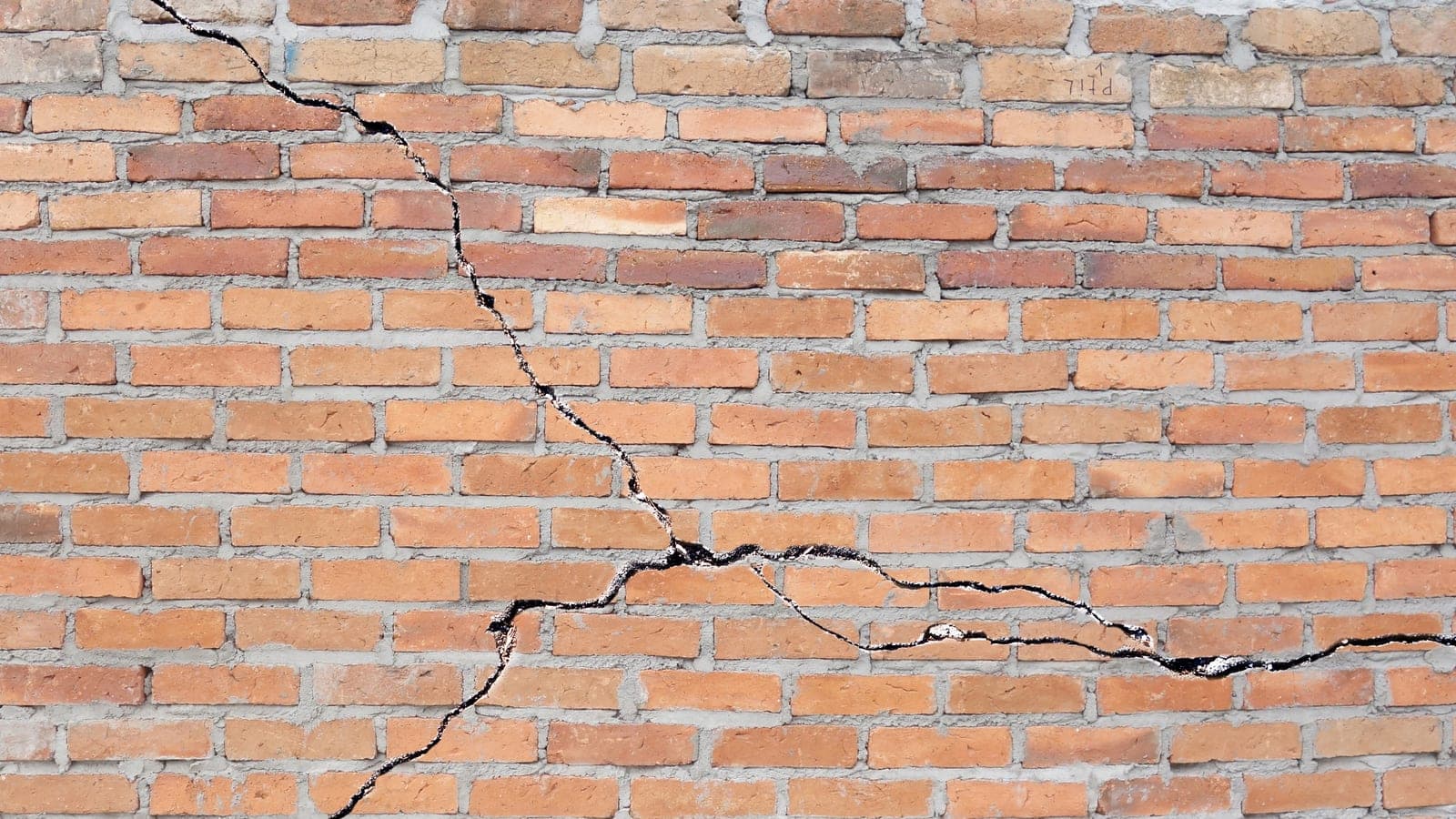
- Structural effects. Cracked masonry, spalled concrete, splintered wood, or displaced materials where rapid heating and pressure occurred as current passed through.
- Grounding and bonding conditions. How the current reached earth, and whether the grounding system shows corresponding damage.
An engineer also examines what is not damaged. If sensitive electronics survived while unrelated items failed, or if the reported entry point shows no attachment mark, those gaps can point away from lightning.
How is lightning distinguished from a power surge or other causes?
This is the question that decides many claims. Lightning and utility power surges can both destroy electronics, so the failure of a television or an HVAC control board proves neither on its own. The forensic engineer looks for the additional markers that only a direct or nearby strike produces: an external attachment point, a traceable high-energy path through the building, and physical heat or pressure damage to structural materials.
Other explanations get tested the same way. A component that failed from age or a manufacturing defect usually shows wear, prior overheating, or an internal fault confined to that unit, without any external entry point or path. Water intrusion, mechanical overload, and installation errors each leave their own patterns. Ruling these out through inspection and, where needed, laboratory analysis of failed components is central to a credible conclusion. This kind of methodical cause determination is part of ESI's broader forensic engineering services, where the same discipline applies to electrical, structural, and product failures.
What a lightning strike damage assessment includes
A full assessment moves through the property in a set order. The exterior first: roof coverings, chimneys, rooftop equipment, trees and detached structures, looking for attachment marks at the high points. Then the electrical service: the mast and meter, the grounding electrode system, panels and breakers, and the condition of surge protection if any was installed. Inside, the engineer inventories damaged equipment circuit by circuit and inspects the structure along the suspected current path, including attic framing and any plumbing the current may have used to reach ground.
Timing matters more in lightning work than in most assessments. Repairs scatter the evidence: replaced panels, discarded electronics, patched roofs. The inspection should happen before restoration where possible. When it can't, the engineer works from the repair records, retained components, and photographs, and says plainly how that limits the conclusion.
Forensic lightning damage analysis of failed components
The site inspection is half the record; the failed components complete it. Circuit boards, surge protective devices, appliance controls, and semiconductors are examined to determine whether the internal damage matches a high-energy transient or something slower. The distinction emerges from the pattern rather than any single marker: a high-energy transient tends to damage multiple devices along a shared electrical path, sometimes violently and sometimes leaving semiconductor damage too small to see without laboratory testing, while thermal aging, manufacturing faults, and ordinary wear typically show progressive damage confined to the failed device. The component evidence is then weighed against the site evidence.
Reconciling the inventory is part of the analysis. Which circuits lost equipment and which didn't, which breakers tripped, and whether the damage distribution matches the suspected entry path all constrain what could have happened. The inventory and the physical path have to tell the same story, in either direction: damage reported on circuits the path never reached is documented as a discrepancy, and so is damage on affected circuits that no one had attributed to the strike.
Why lightning claims get disputed
Lightning claims draw scrutiny because the event is brief, often unwitnessed, and easy to blame after the fact. Adjusters see claims where damage attributed to lightning is actually the result of a long-standing electrical problem or normal equipment failure. Attorneys see the reverse: legitimate strikes denied because no one traced the evidence. A documented engineering assessment reduces that uncertainty by tying the damage to a specific mechanism.
Weather data supports but does not replace physical evidence. Strike-detection records can confirm lightning activity near a property on a given date, yet proximity alone does not establish that a particular building was struck or that a specific loss followed. The engineering inspection connects the recorded activity to the damage on site.
How a lightning damage investigation comes together
The finished investigation ties three layers of evidence into one record: the site evidence along the current path, the component-level analysis of what failed and how, and strike-detection records confirming lightning activity near the property on the date of loss. No single layer settles the question. The written report states whether, taken together, they support the claimed cause, with the photographs, test results, and reasoning attached so an adjuster, opposing engineer, or court can check every step.
What a lightning assessment means for a claim
For an adjuster, the assessment provides an independent basis to accept, question, or deny coverage, with a documented reason rather than an assumption. For an attorney, it supplies an opinion grounded in physical evidence and accepted engineering method, suitable for litigation or expert testimony. In both cases the value is the same: a clear, defensible answer to whether lightning caused the loss, and a record of the evidence behind it.
ESI Nationwide has investigated more than 5,000 properties since 1991, with work performed by licensed Professional Engineers. If you have a lightning damage claim that needs an independent cause determination, contact us for a free consultation.