August 6, 2026
A building needs a structural evaluation when it shows signs that load-bearing elements are moving, failing, or carrying stress they were not designed for. Warning signs include diagonal cracks, sloping or bouncing floors, sticking doors, sagging roofs or beams, bowing walls, and new damage after a storm, fire, vehicle impact, or flood. A licensed professional engineer confirms whether the cause is structural.
What are the visible warning signs of structural damage?
Some problems announce themselves. Watch for these:
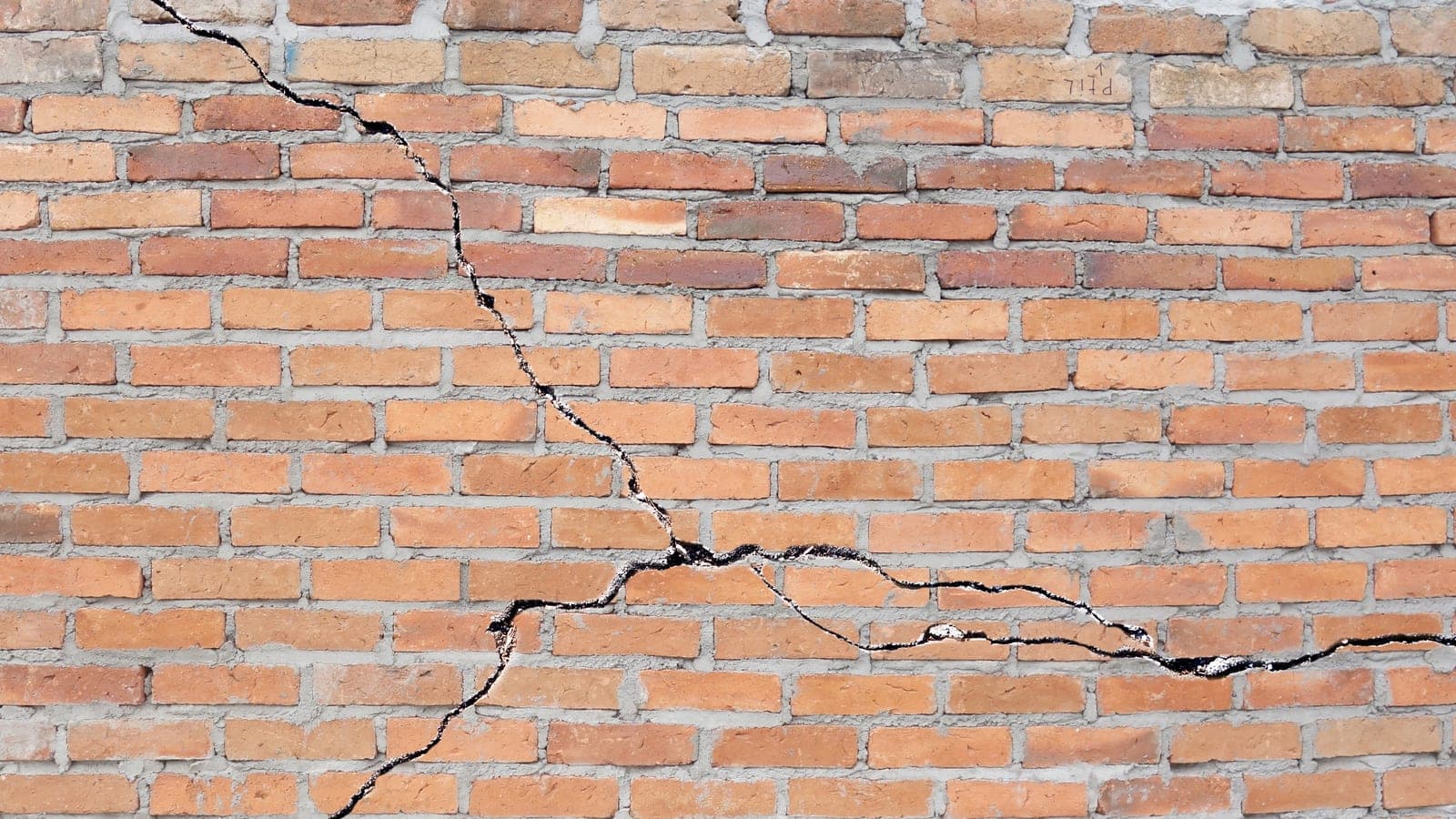
- Diagonal cracks that run from the corners of windows and doors, or stair-step cracks in brick and block masonry. These often follow the path of movement in the frame or foundation.
- Cracks wider than about a quarter inch, cracks that keep growing, or cracks you can slide a coin into.
- Sloping, uneven, or bouncy floors, and gaps opening between the floor and the baseboard.
- Doors and windows that stick, jam, or no longer latch, which can signal that the opening has racked out of square.
- Bowing, leaning, or bulging walls, especially basement and foundation walls pushed inward by soil or water pressure.
- Sagging rooflines, ridges, or ceiling beams, and visible deflection in floor joists or headers.
- Separation where a porch, chimney, or addition is pulling away from the main structure.
Any one of these can be minor. Several together, or one that is getting worse, is a reason to have the structure looked at by an engineer.
What are the hidden signs that get missed?
The damage that matters most is often the damage you cannot see from a walk-through. Water intrusion is the most common hidden driver. A slow roof or plumbing leak can rot framing, corrode connectors, and weaken a member long before a stain appears on the ceiling. Foundation settlement can progress under a slab while the finished floor above looks flat.
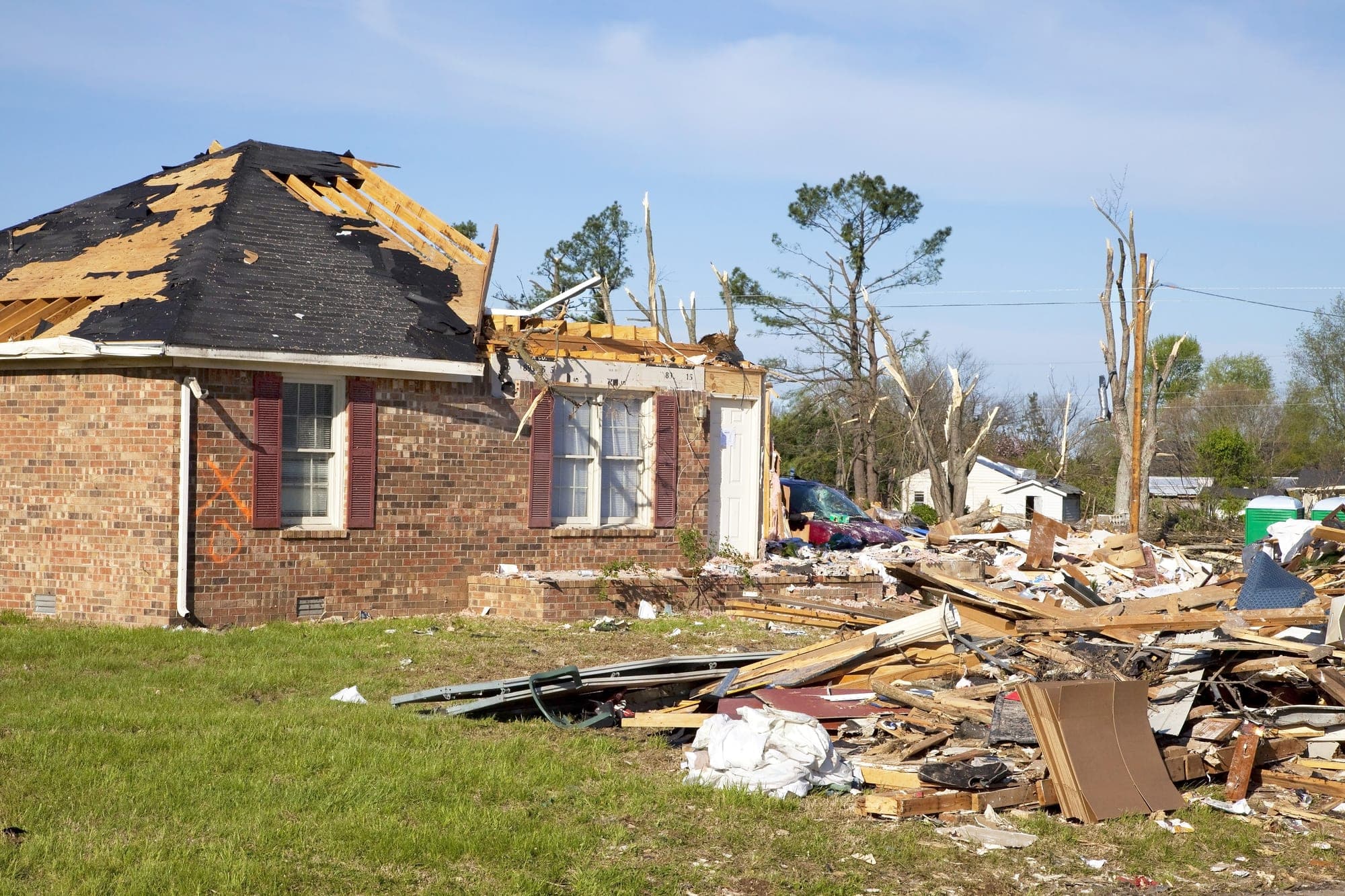
After an event, the concern shifts to concealed structural change. A fire can reduce the strength of steel and char wood framing inside a wall that still looks intact. Flooding can saturate soils and undermine footings. Wind and hail can loosen fasteners and connections at the roof without leaving an obvious hole. Because these conditions hide behind finishes, they are easy to overlook and expensive to ignore.
Cosmetic damage versus structural damage
Not every crack is a threat. Hairline cracks in drywall, small shrinkage cracks in a new concrete slab, and paint separation at seams are usually cosmetic. They come from normal settling, temperature swings, and drying, and they do not mean the frame is failing.
The difference is about load and movement. Cosmetic damage sits in the finish surface. Structural damage involves the members that carry the building: foundations, footings, beams, columns, joists, load-bearing walls, and their connections. A crack that runs through a foundation wall, keeps widening, or lines up with a floor that has dropped is telling you something under the finish is moving. When the pattern points to load-bearing elements, an engineering evaluation is the right call. Our structural engineering services sort cosmetic from structural so a claim or a repair decision rests on evidence, not guesswork.
When should you bring in a forensic engineer?
Bring in a forensic engineer when the cause, extent, or repair cost of the damage is in dispute, or when a decision depends on knowing why the building moved. That includes claims where an adjuster needs to tie damage to a covered event, litigation where an attorney needs an opinion that holds up, and any situation where the visible signs suggest load-bearing failure.
A forensic engineer does more than confirm that a crack exists. The engineer determines the mechanism: settlement, overload, defective construction, material failure, water, storm, or impact. That distinction decides causation, coverage, and who is responsible. Since 1991, the licensed professional engineers at Engineering Specialists have investigated over 5,000 properties, and the firm serves insurance adjusters and attorneys nationwide.
A structural evaluation typically involves a field inspection, measurements of movement and deflection, documentation of crack patterns and connections, and, where needed, review of design and construction records. The result is a clear opinion on whether the structure is sound, what caused the condition, and what repair is warranted.
Act before small signs become large ones
Structural problems rarely improve on their own. A door that sticks this season can become a wall that bows next year. Getting an evaluation early gives you facts while the evidence is fresh and repair options are still open, which protects both the property and the claim file.
If you are weighing a structural claim or need an independent opinion on a damaged building, contact us for a free consultation. A licensed engineer will help you decide what the signs really mean and what to do next.