July 30, 2026
Hire a structural engineer when a building shows signs of distress that could affect safety, value, or a claim: widening cracks, sloping floors, foundation settlement, or damage after a storm, fire, or vehicle impact. A licensed forensic engineer inspects the structure, determines the cause, and documents findings that hold up in an insurance file or in court.
What signs mean you should call a structural engineer?
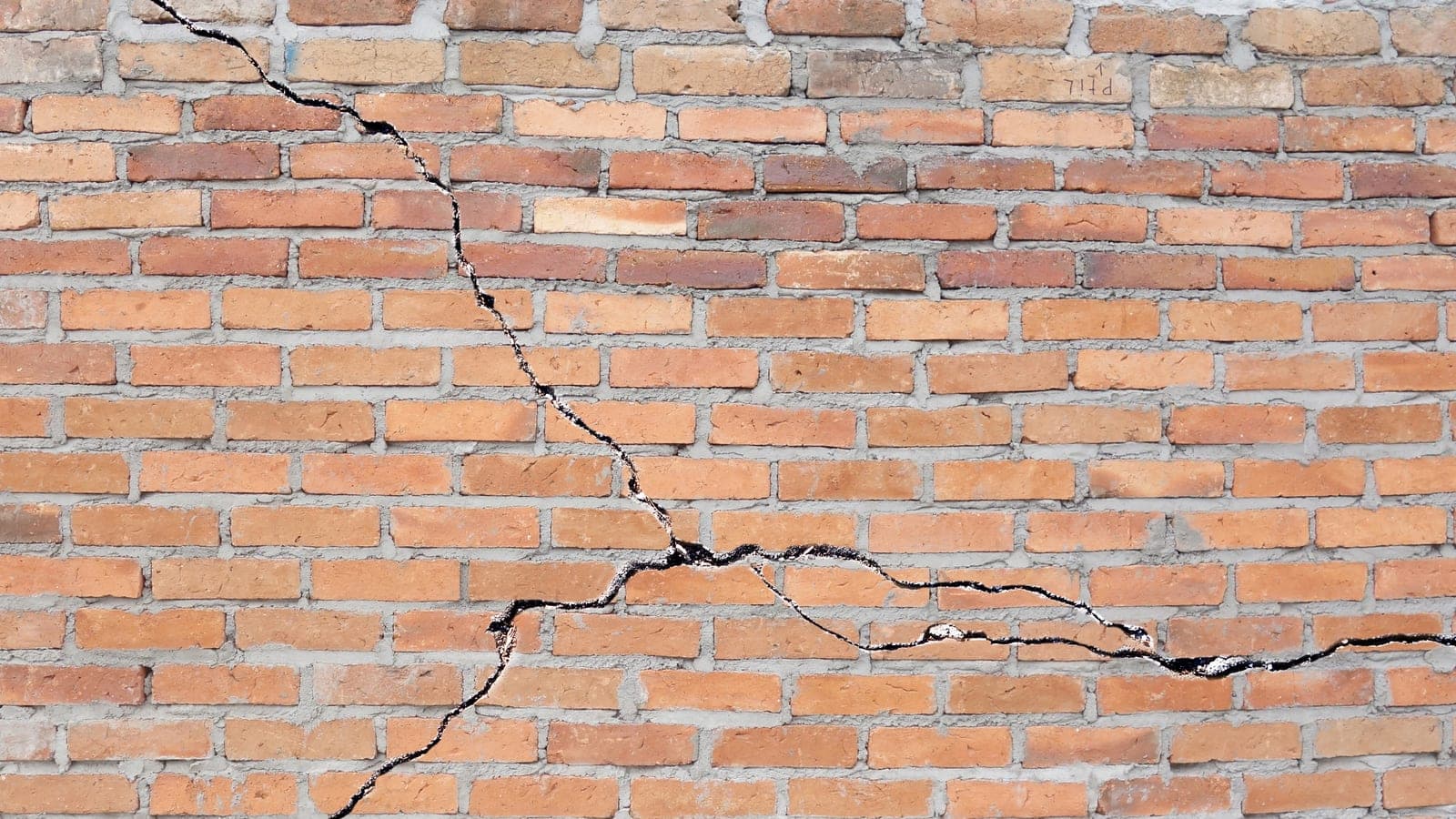
Not every crack needs an engineer, but certain patterns do. Watch for cracks wider than a quarter inch, cracks that grow over weeks, or stair-step cracks running through masonry and mortar joints. Doors and windows that suddenly stick, floors that slope or bounce, and gaps opening between walls and ceilings point to movement in the frame or foundation.
Other situations call for an evaluation even without visible cracks. A roof that sags, a deck or balcony that feels unstable, bowing basement walls, and rust or rot at connections all raise questions a licensed Professional Engineer should answer. When you are unsure whether damage is cosmetic or structural, an inspection settles it before the problem grows.
When does a claim or dispute need a forensic evaluation?
Forensic structural work is different from a general home inspection. It answers a specific question: what caused this damage, and how much of it is attributable to a given event? That question drives most insurance and legal decisions.
Common triggers include:
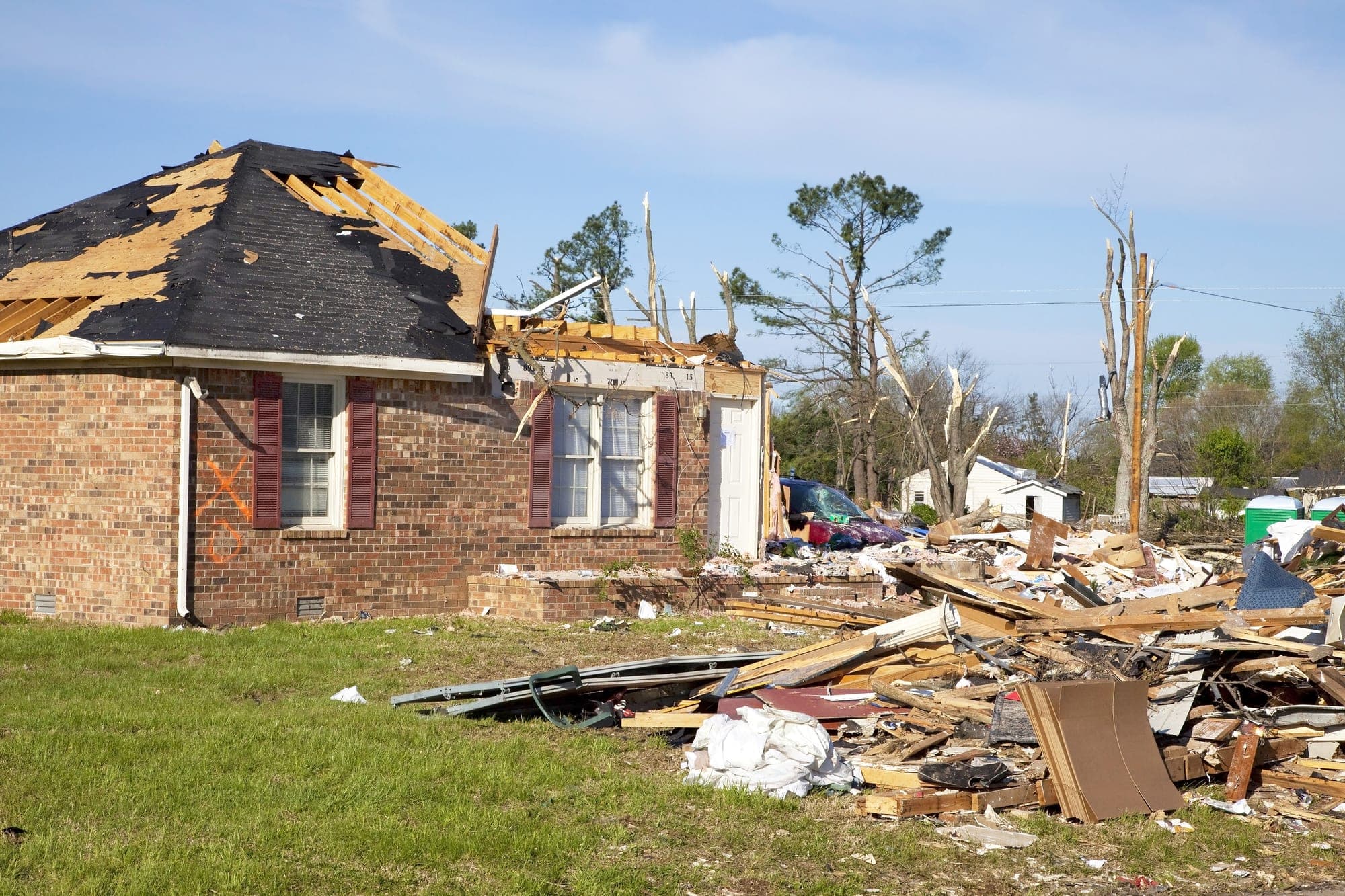
- Storm and hail damage. After high winds, hail, or flooding, an engineer separates event damage from pre-existing wear and long-term deterioration.
- Fire damage. Heat weakens steel, chars framing, and cracks concrete. A structural assessment defines what must be replaced and what remains sound after a fire.
- Vehicle or object impact. When a car strikes a wall or a tree falls on a roof, the visible damage is often smaller than the load path effect.
- Suspected construction defect. Settlement, deflection, or premature failure may trace back to design, materials, or workmanship rather than an event.
- Coverage disputes. When an adjuster and a policyholder disagree on cause or scope, an independent engineering opinion gives both sides a factual basis.
For adjusters and attorneys, the value of a forensic evaluation is a clear, defensible cause determination that stands up under scrutiny. ESI has investigated over 5,000 properties across these categories, and its engineers document each one so the conclusions can be tested and explained.
How does a structural engineer investigate the damage?
A forensic structural evaluation follows a consistent method. The engineer reviews available background: plans, prior reports, photographs, and the claim or complaint. On site, the engineer examines the structure from foundation to roof, measures deflection and displacement, checks connections and load paths, and photographs conditions in detail.
From there, the engineer distinguishes cause from symptom. A cracked wall is a symptom; the cause might be foundation settlement, a failed beam, water intrusion, or an outside force. When useful, the engineer relates conditions to the original design loads and construction to judge whether the structure is performing as intended. The result is a written report that states the cause, the extent of damage, and the recommended repairs, supported by the evidence gathered.
Because the same engineers often handle fire, electrical, and product failure questions, a structural evaluation can connect to other causes on the same property without handing the file to a separate firm. You can see the full scope of ESI's structural engineering services to understand how these evaluations fit a claim or case.
How do you choose a qualified structural engineer near you?
Location matters less than qualifications and independence. Ask whether the evaluation will be performed by a licensed Professional Engineer, since the PE license is the standard credential for structural work and for testimony. Confirm that the engineer has real experience with forensic, cause-focused analysis rather than only new design, because the two disciplines ask different questions.
Look for a few practical things:
- Experience with the specific damage type, whether that is storm, fire, settlement, or defect.
- A clear, written scope so you know what the inspection covers before it starts.
- Reports that separate observation from opinion and cite the evidence behind each conclusion.
- Willingness to explain findings plainly to a claims team, a jury, or a property owner.
ESI serves insurance adjusters and attorneys nationwide, which means a qualified engineer can reach properties in most areas without sacrificing the standards a serious claim or lawsuit requires. For attorneys, the same engineer who inspects the structure can support the file through deposition and trial as an expert witness.
Act before the damage gets worse
Structural problems rarely improve on their own, and delay can blur the line between event damage and ordinary wear. An early evaluation protects safety, keeps repair costs in check, and preserves the evidence a claim or case depends on.
If you are weighing whether a property needs a forensic structural evaluation, reach out for a free consultation and talk through the situation with a licensed engineer before you decide your next step.